Blog

  • Nasi Lemak for Breakfast: The Complete Ranking of Coconut Rice Perfection

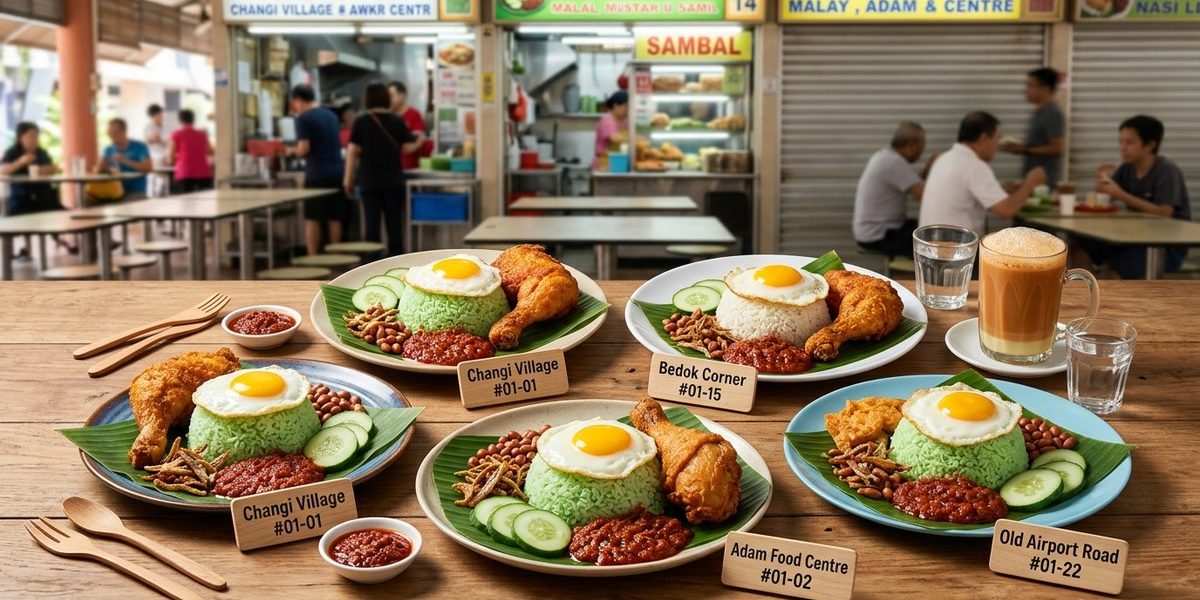
    There’s something magical about waking up to the smell of coconut rice steaming in a hawker centre kitchen at 5am. The pandan leaves release their grassy perfume. The sambal bubbles away in a wok. The ikan bilis sizzle in hot oil. This is nasi lemak the way it’s meant to be made.

    Key Takeaway

    Making authentic nasi lemak at home requires fragrant coconut rice cooked with pandan, a spicy sambal tumis with the right balance of sweet and heat, and traditional accompaniments like crispy ikan bilis, roasted peanuts, hard-boiled eggs, and cucumber slices. The secret lies in getting your coconut milk ratio right and achieving pecah minyak in your sambal, where the oil separates to create that distinctive hawker stall flavour.

    Understanding what makes nasi lemak authentic

    Nasi lemak means “fatty rice” in Malay, but that doesn’t tell the full story. The dish originated as a farmer’s breakfast in rural Malaysia and Singapore, designed to fuel a full day’s work in the fields. The coconut milk provides sustained energy. The sambal adds heat to wake you up. The protein from eggs and anchovies keeps you going until lunch.

    At its core, nasi lemak is about balance. The rice should be fluffy but rich. The sambal needs sweetness to temper the chilli heat. The ikan bilis must be crispy, not soggy. Get one element wrong and the whole plate suffers.

    Many home cooks make the mistake of treating nasi lemak as just coconut rice with toppings. But hawker aunties and uncles know better. Each component needs proper attention. The rice can’t be an afterthought. The sambal deserves its own cooking session. Even the cucumber slices matter, they’re there to cool your palate between bites of spicy sambal.

    The coconut rice foundation

    Your rice choice matters more than you think. Most hawker stalls use jasmine rice for its natural fragrance. Some prefer Thai fragrant rice. A few old-school uncles still swear by local rice varieties, though these are harder to find now.

    The coconut milk ratio follows a simple rule. For every cup of rice, use three-quarters cup of coconut milk and one-quarter cup of water. This gives you rich flavour without turning the rice into porridge. Too much coconut milk makes the grains mushy. Too little and you’re just making white rice with a hint of coconut.

    Pandan leaves are not negotiable. Fresh pandan releases oils that infuse the rice with that distinctive grassy, vanilla-like aroma. Tie three or four leaves into a knot and toss them in with your rice. If you can’t find fresh pandan, frozen works. Pandan essence from a bottle? Skip it. The artificial flavour screams “shortcut” and tastes nothing like the real thing.

    Here’s how to cook perfect coconut rice:

    1. Rinse your jasmine rice three times until the water runs clear.
    2. Combine rice, coconut milk, water, pandan leaves, and a pinch of salt in your rice cooker or pot.
    3. Add two slices of ginger and a stalk of lemongrass (bruised) for extra fragrance.
    4. Cook as you would regular rice, no stirring needed.
    5. Let it rest for 10 minutes after cooking before fluffing with a fork.

    The rice should come out fluffy with distinct grains. Each mouthful should taste creamy but not heavy. The pandan aroma should hit you the moment you lift the lid.

    Mastering sambal tumis

    This is where most home recipes fall short. Hawker sambal has depth that comes from proper technique, not just throwing ingredients together. The key is achieving pecah minyak, literally “broken oil,” where the oil separates from the paste and pools on top. This signals that your sambal is properly cooked and will keep for days.

    Your dried chilli selection sets the tone. Use a mix of mild and hot varieties. Too many bird’s eye chillies and your sambal becomes one-note heat. All mild chillies and you lose that punch. A good ratio is three parts mild dried chillies to one part hot ones.

    Soak your dried chillies in hot water for 20 minutes until softened. Remove the seeds if you want less heat. Blend them with shallots, garlic, belacan (shrimp paste), and a bit of water to form a smooth paste. The paste should be fine, not chunky. Hawker uncles blend theirs for at least five minutes.

    “The sambal must see oil before it sees anything else. Heat your wok until it smokes, add oil, then your paste. Keep the heat medium and stir constantly. When you see the oil separating and the paste turns dark red, you’re halfway there.” — Mak Minah, 40 years cooking nasi lemak at Tiong Bahru Market

    The cooking process takes patience:

    1. Heat three tablespoons of oil in a wok over medium heat.
    2. Add your blended chilli paste and stir constantly for 15 to 20 minutes.
    3. Watch for the oil to separate and pool on top.
    4. Add tamarind juice (two tablespoons), gula melaka or palm sugar (three tablespoons), and salt to taste.
    5. Continue cooking for another 10 minutes until the sambal darkens and smells sweet and spicy.
    6. Add a splash of water if it gets too thick.

    Your finished sambal should be deep red, almost burgundy. It should taste sweet first, then hot, with a tangy finish from the tamarind. The texture should be thick enough to coat a spoon but not paste-like.

    Getting your ikan bilis crispy

    Fried anchovies separate good nasi lemak from great nasi lemak. The technique is simple but requires attention. Use small dried anchovies, not the large ones meant for soup stock. Remove the heads and guts if you’re particular, though most hawkers don’t bother with this step.

    Rinse the anchovies briefly and pat them completely dry. Any moisture will cause splattering and prevent crispiness. Heat oil in a wok until it shimmers. Add the anchovies and fry over medium heat, stirring constantly. They’re done when they turn golden brown and smell nutty, about five to seven minutes.

    Remove them immediately and drain on paper towels. They’ll crisp up further as they cool. Season lightly with salt while still warm. Some stalls add a pinch of sugar for a sweet-savoury contrast.

    Roasted peanuts follow the same principle. Use raw peanuts with skins on. Fry them separately from the anchovies in the same oil. They take longer, about 10 minutes, and should turn golden brown. The skins will darken and become crispy.

    Common mistakes that ruin nasi lemak at home

    Mistake Why it happens How to fix it
    Mushy rice Too much coconut milk or overcooking Use 3:1 ratio of coconut milk to water, don’t lift lid while cooking
    Bland sambal Not cooking long enough, skipping belacan Cook until oil separates, always use belacan for depth
    Soggy ikan bilis Frying at low temperature or not drying properly Pat anchovies completely dry, use medium-high heat
    One-dimensional heat Using only hot chillies Mix mild and hot dried chillies for complexity
    Bitter sambal Burning the paste Keep heat at medium, stir constantly, add water if needed
    Watery coconut rice Wrong rice variety or too much water Use jasmine rice, measure liquids precisely

    Traditional accompaniments that complete the plate

    Hard-boiled eggs are standard but how you prepare them matters. Boil for exactly eight minutes for a slightly soft yolk. Some hawkers deep-fry the peeled eggs until the whites turn golden and crispy. This adds textural contrast and looks more impressive on the plate.

    Cucumber slices serve a purpose beyond decoration. They cool your palate between bites of spicy sambal. Cut them into thick slices, not paper-thin ones that wilt. Some stalls add a squeeze of lime juice to keep them fresh.

    Fried chicken wing or drumstick is the premium protein option. Marinate chicken pieces in turmeric, ginger, garlic, and salt for at least two hours. Deep-fry until golden and crispy. The turmeric gives that distinctive yellow colour you see at hawker centres around Singapore.

    Rendang, sambal sotong, or fried fish are other protein choices. Each adds a different dimension but the core nasi lemak components remain the same.

    Putting it all together

    Assembly matters. Use a banana leaf if you can find one, it adds fragrance and authenticity. Otherwise, a regular plate works fine. Here’s the proper layout:

    • Mound the coconut rice in the centre
    • Place your protein (egg, chicken, or fish) on one side
    • Spoon sambal on the opposite side
    • Scatter ikan bilis and peanuts over the rice
    • Add cucumber slices on the side

    The rice should still be warm. The sambal can be room temperature or slightly warm. Everything else should be at room temperature. Cold nasi lemak from the fridge loses its soul.

    Eat it the traditional way, with your hands if you’re comfortable. Mix everything together so each bite has rice, sambal, protein, and crunch from the anchovies. The flavours should hit different notes with every mouthful.

    Making it ahead for busy mornings

    Nasi lemak is perfect for meal prep. The sambal actually improves after a day or two in the fridge as the flavours meld. Make a big batch and store it in an airtight container for up to a week. Some cooks freeze portions for up to three months.

    The ikan bilis and peanuts keep well in an airtight container at room temperature for several days. Don’t refrigerate them or they’ll lose their crispiness. If they soften, refresh them in a dry wok over low heat for a few minutes.

    Cook your rice fresh each time. Reheated coconut rice never tastes quite right. The texture changes and the pandan aroma fades. A rice cooker makes this easy, just set it up the night before and wake up to fresh rice.

    Hard-boiled eggs last up to five days in the fridge. Peel them fresh when you’re ready to eat. Fried chicken keeps for two days refrigerated and reheats well in an air fryer or oven.

    Variations across different communities

    Malay-style nasi lemak tends toward sweeter sambal with more gula melaka. The rice is often richer with a higher coconut milk ratio. Protein choices lean toward rendang, fried chicken, or sambal sotong.

    Chinese-style versions sometimes add luncheon meat or fried fish fillet. The sambal might be less sweet and more savoury. Some stalls add fried egg instead of hard-boiled.

    Indian Muslim stalls often serve nasi lemak with their signature fried chicken, heavily spiced with turmeric and chilli. The sambal might include curry leaves and mustard seeds for extra complexity.

    None of these variations is more authentic than the others. Singapore’s nasi lemak culture absorbed influences from all communities. The best version is the one you grew up eating or the one that makes you happiest.

    Scaling up for gatherings

    Nasi lemak works brilliantly for potlucks and gatherings. Everything can be prepared in advance and assembled at serving time. For 10 people, cook 1.5 kilograms of rice, make a double batch of sambal, and fry 300 grams of ikan bilis with 200 grams of peanuts.

    Set up a DIY station with all components in separate containers. Let guests build their own plates. This keeps the rice from getting soggy and allows people to control their spice levels.

    Wrap individual portions in banana leaves tied with string for a traditional presentation. These packets stay warm for up to an hour and look impressive. Many hawker stalls still sell nasi lemak bungkus this way for takeaway.

    Bringing hawker flavours into your kitchen

    The techniques that make hawker nasi lemak special aren’t complicated. They just require patience and attention to detail. Cook your sambal low and slow until the oil breaks. Measure your coconut milk properly. Dry your anchovies completely before frying. These small steps make the difference between okay nasi lemak and the kind that makes you close your eyes and smile.

    Start with a small batch to get comfortable with the process. Your first attempt might not match your favourite hawker stall, but it’ll be better than most restaurant versions. By your third or fourth try, you’ll have developed your own rhythm and preferences. Maybe you like your sambal sweeter. Perhaps you prefer extra peanuts. That’s the beauty of cooking it yourself.

    The smell of coconut rice steaming in your kitchen at 6am on a Saturday morning feels pretty special too. Not quite the same as a hawker centre, but close enough to make you feel connected to that tradition. And when you sit down to eat with your family, everyone digging into their plates with satisfaction, you’ll understand why this dish has endured for generations.

  • From Corporate Jobs to Coffee Shops: 5 Career-Switchers Now Running Successful Hawker Stalls

    You’ve spent another Tuesday refreshing your inbox, wondering if this is all there is. The spreadsheets, the meetings, the polite nods in the pantry. Meanwhile, your colleague just handed in her notice to open a laksa stall at Bedok. Everyone thinks she’s mad. But part of you wonders if she’s the only sane one left.

    Key Takeaway

    Making a career change from office job to food business requires more than passion. You need realistic capital planning, hands-on training, regulatory knowledge, and mental preparation for physical work. Most successful switchers spend 6 to 12 months testing recipes and building savings before leaving their corporate roles. The hawker trade offers autonomy and community, but demands early mornings, weekend work, and resilience during slow periods.

    What actually happens when you leave your desk for a wok

    The romanticised version goes like this: you quit, cook what you love, customers queue, life is meaningful again.

    The real version involves standing over a charcoal fire at 5am while your former colleagues are still asleep. Your back hurts. Your hands smell like garlic for days. And some mornings, only three people show up.

    But here’s what the Instagram posts don’t tell you. Those three customers become regulars. They bring their friends. They remember your name. And six months in, you realise you haven’t checked your work email once because there is no work email anymore. Just you, your recipes, and people who genuinely care if you’re closed on Mondays.

    The shift from corporate life to food business is not about escaping work. It’s about choosing a different kind of hard.

    Why corporate professionals are eyeing hawker stalls

    Singapore’s hawker centres have always been democratic spaces. A lawyer and a taxi driver sit at the same table, ordering from the same uncle who’s been frying kway teow for 30 years. But lately, that uncle might be a former investment banker.

    The pandemic accelerated what was already brewing. People started questioning the point of climbing ladders that lead nowhere they actually want to go. The food business, particularly hawker stalls, offers something office jobs often can’t: tangible results, direct feedback, and ownership.

    You see your product go from raw ingredients to a satisfied customer in minutes. No quarterly reviews, no stakeholder alignment, no wondering if your work matters. It either tastes good or it doesn’t. People either come back or they don’t.

    The barriers are also lower than most food businesses. You don’t need a shopfront lease or fancy fit-out. Hawker stall rentals through NEA tender systems are significantly cheaper than commercial spaces. And Singapore’s hawker culture means customers already trust the model.

    What you need before handing in your notice

    Financial runway

    Most career switchers underestimate how long it takes to break even. Here’s the realistic timeline:

    1. Save 12 to 18 months of living expenses before you start.
    2. Budget $50,000 to $80,000 for initial setup including equipment, licensing, and first three months of operation.
    3. Expect zero profit for the first six months while you build a customer base.
    4. Plan for equipment repairs and replacement within the first year.

    Your stall might be popular from day one. But more likely, you’ll spend weeks perfecting your recipes, adjusting prices, and figuring out why Thursdays are always slow.

    “I kept my corporate job for eight months while testing my chicken rice recipe at weekend markets. The moment I thought I was ready to quit, my rice cooker broke and I realised I had no idea how to fix commercial equipment. That delayed my launch by two months, but it also meant I was better prepared.” – Former marketing manager, now running a stall at Tiong Bahru Market

    Skills you can’t Google

    Cooking at home and cooking for 200 people a day are completely different disciplines. You need to:

    • Source ingredients in bulk at wholesale prices
    • Maintain consistent taste across batches
    • Work in extreme heat for 8 to 10 hours straight
    • Handle cash, inventory, and food safety regulations simultaneously
    • Deal with difficult customers without HR to back you up

    Many successful switchers spend three to six months working part-time at existing stalls before launching their own. You’re not stealing secrets. You’re learning the unglamorous parts: how to clean a grease trap, when to reorder supplies, how to prevent cross-contamination during peak hours.

    Regulatory requirements

    The paperwork is real and non-negotiable:

    Requirement Timeline Cost
    Food hygiene course 1 day $100 to $200
    Hawker licence application 2 to 3 months $10 to $20 monthly
    NEA stall tender 3 to 6 months Varies by location
    Equipment safety checks 1 to 2 weeks $300 to $500

    You’ll also need to register as a sole proprietor or company, get insurance, and understand NEA’s cleanliness grading system. One failed inspection can shut you down for days.

    The biggest mistakes career switchers make

    Underestimating the physical toll

    Your Fitbit will love you. Your knees won’t.

    Standing for 10 hours, lifting heavy pots, working in 40-degree heat. This is not a metaphor for hard work. This is actual hard work. Former office workers often struggle with the physical demands more than the business side.

    One ex-consultant lasted three weeks before realising she needed physiotherapy for her back. She didn’t quit, but she did invest in proper footwear, anti-fatigue mats, and learned to prep ingredients in batches to reduce repetitive strain.

    Copying instead of creating

    You love char kway teow, so you open a char kway teow stall. But so did five other people at your hawker centre. And three of them have been doing it for 20 years.

    The successful switchers find gaps. Maybe it’s a fusion dish that hasn’t been done well. Maybe it’s a traditional recipe from your grandmother that nobody else makes. Maybe it’s simply better customer service and cleaner presentation.

    Understanding what makes certain stalls stand out can help you identify your edge before you commit.

    Ignoring location dynamics

    Not all hawker centres are equal. Some are tourist magnets with high foot traffic but fickle customers. Others are neighbourhood spots where regulars expect consistency and value. Some centres are air-conditioned, which affects operating hours and customer expectations.

    Visit your target location at different times. Talk to existing stallholders. Understand the customer base. A $8 bowl of noodles works at Maxwell Food Centre near the CBD. The same price at a suburban centre might price you out of the market.

    Romantic notions about “doing what you love”

    You might love cooking. But do you love cooking the same dish 200 times a day? Do you love it when you’re sick, when it’s your birthday, when your friends are at the beach?

    The food business is repetitive. The customers who rave about your food on Monday will complain about portion size on Tuesday. You’ll run out of ingredients mid-service. You’ll burn yourself. You’ll want to quit.

    The people who make it are the ones who love the entire package: the routine, the community, the autonomy, even the hard parts.

    Steps to test before you leap

    Weekend market trial

    Singapore has night markets, weekend bazaars, and pop-up food events. Rent a booth for a few weekends. Test your recipes, pricing, and stamina.

    You’ll learn:
    – How fast you can serve during peak periods
    – What people actually order versus what you think they’ll order
    – Whether your pricing covers costs and leaves profit
    – If you can handle customer feedback in real time

    This costs a few hundred dollars and saves you from a $50,000 mistake.

    Apprenticeship approach

    Approach a stallholder whose food you respect. Offer to help for free on weekends. Many older hawkers are looking for help and might teach you in exchange for labour.

    You’re not there to steal recipes. You’re there to understand workflow, supplier relationships, and the daily rhythm of the trade. Some of the best lessons happen when things go wrong: a supplier delivers spoiled ingredients, the gas runs out mid-service, a customer has an allergic reaction.

    Financial stress test

    Before you quit, live on a hawker’s income for three months while still employed. Bank your salary. Survive on what you’d realistically earn from a stall: $3,000 to $5,000 a month in the beginning.

    If you can’t do it while you still have your corporate income, you definitely can’t do it when that income disappears.

    What success actually looks like

    Forget the Michelin star stories. Most successful hawker businesses are not famous. They’re profitable, sustainable, and fulfilling.

    Success might mean:
    – Earning $5,000 to $8,000 monthly after two years
    – Having regular customers who visit weekly
    – Closing two days a week and still covering costs
    – Training someone to help so you’re not trapped at the stall
    – Sleeping well because you’re tired from real work, not stress

    Some career switchers eventually expand to multiple stalls or move into catering. Others stay small by choice. The beauty of the model is you get to define what winning looks like.

    The hidden benefits nobody mentions

    Community connection

    Office jobs can be isolating. You interact with the same 20 people. Everyone’s polite. Nobody’s real.

    Hawker centres are different. You’ll know the coffee uncle, the cleaning auntie, the regular who always orders extra chilli. You’ll cover for the stall next door when they’re sick. They’ll lend you ingredients when you run out.

    It’s not always harmonious. There are petty disputes and gossip. But it’s human in a way that corporate environments often aren’t.

    Skill portability

    Learn to run a hawker stall well and you’ve learned to run any small food business. The skills transfer to cafes, catering companies, food trucks, even restaurants.

    You understand cost control, inventory management, customer service, and operations. These are valuable regardless of where you take them next.

    Life on your terms

    You choose your hours. You choose your menu. You choose when to take leave. Yes, the market dictates some of this. But fundamentally, you’re in control.

    One former lawyer closes his stall every afternoon to pick up his kids from school. He opens for dinner service after they’re settled. His income is lower than it could be, but his priorities are clear. That’s a choice his corporate job never offered.

    Common fears and the reality check

    “I’ll lose my professional identity.”

    You will. And it’s uncomfortable. People at parties will ask what you do, and “I run a hawker stall” gets different reactions than “I’m a senior manager at a bank.”

    But identity based on job titles is fragile anyway. Six months in, you’ll realise you’re still you. Just sweatier and with better cooking skills.

    “I can’t go back if it fails.”

    This is partially true. Taking two years out of your industry does create a gap. But it’s not career suicide. Many employers value entrepreneurial experience. And if you’re genuinely worried about this, you probably shouldn’t make the jump yet.

    “My family will think I’m crazy.”

    They might. Especially if you’re the first generation to go to university or if your parents sacrificed for your education.

    Have honest conversations. Show them your business plan. Let them see you’ve thought it through. Some will never understand, and you’ll have to make peace with that.

    When it’s the right move

    Not everyone should make a career change from office job to food business. It’s right for you if:

    • You have sufficient savings and low financial obligations
    • You’ve tested your concept and gotten real feedback
    • You understand the physical demands and are prepared
    • Your motivation is about building something, not just escaping something
    • You can handle uncertainty and slow periods without panic

    It’s probably not right if you’re running from a bad boss, going through a life crisis, or romanticising the idea without understanding the reality.

    The best career switchers are the ones who go in with open eyes. They know it’s hard. They do it anyway because the trade-offs are worth it.

    Making the food business work for the long term

    The first year is about survival. The second year is about sustainability. By year three, you should know if this is a viable long-term path.

    Key markers of sustainable success:

    • Consistent daily revenue that covers costs plus profit
    • Established supplier relationships with backup options
    • Systems for inventory, cash handling, and maintenance
    • At least one trained helper so you can take breaks
    • Customer base that returns regularly, not just one-time visitors

    Some switchers eventually return to corporate work. That’s not failure. They tried something, learned from it, and made an informed choice. The experience often makes them better employees because they understand operations, customer service, and resilience in ways their peers don’t.

    Others find their calling and never look back. They’re not making corporate salaries, but they’re making enough. And more importantly, they’re making something they’re proud of.

    What the hawker trade teaches you about yourself

    Running a stall strips away everything superficial. There’s no job title to hide behind, no team to share blame with, no corporate narrative to explain away failure.

    It’s just you and whether people want to eat your food.

    You’ll discover:
    – Your actual tolerance for discomfort versus what you thought it was
    – Whether you can take criticism without getting defensive
    – If you can stay consistent when nobody’s watching
    – How you handle success and failure in equal measure

    These lessons are valuable regardless of whether you stay in the food business or eventually return to an office. You’ll know yourself better. And that clarity is worth something, even if the stall doesn’t work out.

    Your next move starts before you quit

    If you’re seriously considering this path, start now while you’re still employed:

    1. Take the food hygiene course this month.
    2. Visit five hawker centres and talk to stallholders about their journey.
    3. Test your signature dish on friends and strangers, not just family.
    4. Calculate your actual monthly expenses and see if you can cut them by 40%.
    5. Work one weekend at a busy food stall to experience the pace.

    These steps cost little but reveal a lot. If you’re still excited after doing all five, you might be ready. If any of them feel like obstacles you’d rather avoid, you’re probably not.

    The career change from office job to food business is not for everyone. But for the right person, at the right time, with the right preparation, it can be the best decision you never saw coming.

    Start small. Test thoroughly. And if you do make the leap, commit fully. Singapore’s hawker culture has room for one more story. It might as well be yours.

  • What Makes Bak Chor Mee Worth Queuing 45 Minutes For?

    Standing in line for nearly an hour to eat a bowl of noodles might sound absurd. But when that bowl is bak chor mee from one of Singapore’s legendary stalls, the wait transforms into a ritual. The aroma of vinegar-spiked sauce, the sight of hand-minced pork sizzling in a wok, and the knowledge that you’re about to taste something crafted with decades of expertise make every minute feel justified.

    Key Takeaway

    The best bak chor mee Singapore offers combines springy mee pok noodles, hand-minced pork with visible fat marbling, a perfectly balanced vinegar-based sauce, and toppings like mushrooms, liver, and meatballs. Top stalls use traditional preparation methods, source quality ingredients daily, and maintain consistent noodle texture. Knowing what separates exceptional bowls from mediocre ones helps you decide which queues deserve your time.

    What Makes Bak Chor Mee Worth the Journey

    Bak chor mee isn’t just minced pork noodles. It represents a specific style of Teochew cooking that arrived in Singapore through generations of immigrant families. The dish balances five distinct flavour profiles in one bowl: salty from soy sauce, sour from black vinegar, sweet from ketchup, umami from pork, and heat from chilli.

    The noodles matter more than most people realise. Authentic stalls use mee pok, flat egg noodles with a distinctive springy bite. When cooked properly, they should bounce back slightly when you bite down. Overcooked noodles turn mushy and can’t hold the sauce properly.

    The minced pork tells you everything about a stall’s commitment. Hand-minced pork has visible texture and fat marbling. Machine-minced versions look uniform and paste-like. The fat content creates that addictive mouthfeel and carries flavour throughout the dish.

    Sauce composition separates great stalls from forgettable ones. The base combines black vinegar, light soy sauce, lard, and a touch of ketchup. Some stalls add their own secret ingredients passed down through family recipes. The ratio changes everything. Too much vinegar makes your mouth pucker. Too little leaves the dish flat.

    Spotting Quality Before You Order

    Walk past the stall and observe the preparation area. Quality indicators appear in plain sight if you know where to look.

    Check the minced pork station. You should see chunks of pork being hand-minced or chopped. The meat should have visible white fat streaks running through pink meat. If everything looks uniformly pink and smooth, they’re using pre-ground meat.

    Watch how they handle noodles. Experienced hawkers blanch noodles for exactly the right duration. They shake the strainer vigorously to remove excess water. Wet noodles dilute the sauce and ruin the texture. The best stalls have a rhythm to their movements that comes from making thousands of bowls.

    Look at the toppings station. Fresh ingredients sit in organised containers. Mushrooms should look plump and dark. Liver slices should be deep red, not brown. Meatballs should be handmade, slightly irregular in shape. Factory-made ones look perfectly round.

    A veteran bak chor mee hawker once told me: “The sauce must coat every strand of noodle, but the bottom of the bowl should stay almost dry. That’s when you know the ratio is perfect.”

    The Core Elements That Define Excellence

    Noodle Selection and Preparation

    Mee poh remains the traditional choice, but some stalls offer mee kia as an alternative. Mee kia noodles are thinner and rounder. They absorb sauce differently and create a distinct eating experience.

    The blanching process requires precise timing. Noodles hit boiling water for 30 to 45 seconds maximum. Any longer and they lose that essential springiness. The hawker must judge doneness by texture, not a timer.

    Temperature matters more than people think. Noodles go straight from boiling water into the bowl. The heat helps the sauce penetrate and creates that signature aroma when vinegar hits hot noodles.

    Pork Components and Quality Markers

    The best stalls use three types of pork in one bowl. Minced pork provides the base. Sliced pork adds texture variation. Pork liver brings iron-rich depth.

    Hand-minced pork should have a coarse texture. You should see individual meat fibres, not a smooth paste. The fat content should be around 20 to 30 percent. This creates moisture and prevents the meat from drying out.

    Sliced pork requires careful cooking. Thin slices cook in seconds. Overcooked slices turn tough and chewy. The best versions remain tender with a slight pink centre.

    Liver preparation separates confident hawkers from uncertain ones. Properly cooked liver stays soft and slightly creamy inside. Overcooked liver becomes grainy and bitter. Many stalls skip liver entirely because it’s difficult to execute consistently.

    Sauce Architecture

    The sauce base starts with rendered pork lard. This creates the foundation for everything else. Some stalls use lard with crispy pork cracklings still floating in it.

    Black vinegar provides the signature tang. Different brands create different flavour profiles. Some hawkers blend multiple vinegar types to achieve their preferred acidity level.

    Light soy sauce adds saltiness and umami. Dark soy sauce appears in some recipes for colour and a hint of molasses sweetness.

    Ketchup might seem out of place, but it serves a purpose. A small amount adds subtle sweetness and helps bind the other elements. Too much makes the dish taste like spaghetti.

    Chilli paste or sambal sits on the side. Every stall makes their own version. Some lean spicy, others emphasise garlic or shrimp paste funk.

    How to Order Like Someone Who Knows

    Ordering bak chor mee involves more decisions than you might expect. Each choice changes your experience.

    Dry Versus Soup

    Dry versions come with sauce mixed through the noodles. A small bowl of soup sits on the side. This style lets you taste the sauce composition clearly.

    Soup versions submerge everything in broth. The broth should be clear and pork-bone based. This style feels more comforting but dilutes the sauce intensity.

    Most regulars order dry. It showcases the hawker’s sauce-making skills and creates more concentrated flavours.

    Noodle Type

    Mee pok offers that classic flat, slippery texture. It holds sauce well and has substantial bite.

    Mee kia provides a different experience. The thinner strands cook faster and feel lighter. Some people find them easier to eat.

    You can request a mix of both at some stalls. This gives you texture variation in one bowl.

    Spice Level

    Always start with less chilli than you think you need. You can add more, but you can’t remove it. The chilli interacts with the vinegar and can overwhelm the other flavours if you’re not careful.

    Some stalls offer different chilli types. Fresh chilli paste tastes brighter and more vegetable-forward. Dried chilli oil brings deeper, toasted flavours.

    Add-Ons and Extras

    Standard toppings include minced pork, sliced pork, liver, mushrooms, and meatballs. You can request extra portions of specific items.

    Liver costs extra at most stalls and not everyone enjoys the texture. If you’ve never tried it, order a small portion first.

    Meatballs vary wildly between stalls. Handmade versions have irregular shapes and visible meat texture. Factory versions taste generic.

    Some stalls offer fishballs, fish cake, or dumplings. These aren’t traditional but have become accepted variations.

    Common Mistakes That Ruin the Experience

    Mistake Why It Matters Better Approach
    Mixing everything immediately The sauce needs a moment to settle into the noodles Let it sit for 30 seconds before mixing
    Adding too much chilli first Overwhelms the vinegar balance Start with one spoonful, taste, then adjust
    Ordering soup version first time Hides the sauce craftsmanship Try dry version first to understand the stall’s style
    Skipping the soup on the side Cleanses palate between bites Sip soup between mouthfuls to reset your taste buds
    Eating too slowly Noodles absorb sauce and turn soggy Eat within 10 minutes of receiving your bowl
    Ignoring the vinegar bottle Some stalls undersauce intentionally Add extra vinegar if the noodles taste flat

    Regional Variations Across Singapore

    Different neighbourhoods have developed their own bak chor mee styles. These variations reflect the communities that settled in each area.

    Chinatown stalls tend toward traditional Teochew preparations. The sauce leans more vinegar-forward. Portions stay modest. The focus remains on balance rather than abundance.

    Geylang versions often include more generous portions. The sauce might be slightly sweeter. Some stalls add extra lard for richness.

    Bedok and eastern neighbourhoods favour heartier bowls. You’ll find more toppings and larger noodle portions. The style feels more filling and less refined.

    Central area stalls cater to office crowds. Service moves faster. Portions are calibrated for lunch breaks. The flavours might be slightly muted to appeal to broader tastes.

    You can see how different hawker centres attract distinct crowds by checking out hidden neighbourhood gems where locals prefer to eat.

    What Separates Michelin-Level Bowls from Good Ones

    Michelin recognition changed the bak chor mee landscape. One particular stall’s journey to Michelin status demonstrates what inspectors look for.

    Consistency matters more than occasional brilliance. Top stalls produce nearly identical bowls regardless of when you visit. The noodle texture, sauce ratio, and pork quality remain stable.

    Ingredient sourcing sets elite stalls apart. They source pork from specific suppliers. They might use heritage breed pork or specific cuts that cost more. The mushrooms come from particular importers known for quality.

    Technique refinement happens over decades. The way a hawker tosses noodles, the exact moment they add sauce, the temperature they maintain in their wok – these details compound into noticeably better results.

    Attention to components most people ignore makes a difference. The soup on the side shouldn’t be an afterthought. It should be a proper pork bone broth that took hours to make. The pickled green chilli should be house-made, not from a jar.

    How to Plan Your Bak Chor Mee Expedition

    Timing your visit can mean the difference between a 15-minute wait and a 90-minute ordeal.

    Best Times to Visit Popular Stalls

    1. Arrive 30 minutes before opening time if you’re targeting famous stalls
    2. Visit between 10:30am and 11:15am to avoid lunch rush
    3. Try late afternoon around 3pm when most crowds have dispersed
    4. Avoid weekends entirely at Michelin-starred or celebrity hawker stalls
    5. Check if the stall has off-peak hours on weekdays

    What to Bring

    Bring exact change. Many stalls don’t accept large notes. Some older hawkers prefer cash over digital payments.

    Carry tissue packets. Not all hawker centres keep tables stocked. You’ll want something to wipe your hands and mouth.

    Bring a companion who can chope seats while you queue. Popular stalls run out of seating during peak hours.

    Managing Expectations

    The best bowl you’ll ever taste might not be at the most famous stall. Personal preference plays a huge role. Some people prefer more vinegar, others want less. Some love liver, others can’t stand it.

    Try at least three different stalls before deciding on your favourite. Each one represents a different interpretation of the dish.

    Don’t let queue length determine quality. Some excellent stalls remain relatively unknown because they’re located in less trafficked hawker centres.

    Comparing Bak Chor Mee to Other Noodle Dishes

    Understanding how bak chor mee differs from similar dishes helps you appreciate its unique characteristics.

    Mee pok differs from bak chor mee mainly in toppings. Mee pok traditionally comes with fishballs and fish cake. Bak chor mee centres on pork components.

    Fishball noodles use similar noodles but completely different toppings and soup. The flavour profile skews toward seafood sweetness rather than vinegar tang.

    Ban mian offers a comparison point for hand-made noodles. But the wheat-based dough and soup-focused presentation create an entirely different experience.

    Knowing how to evaluate other hawker classics helps you develop a more sophisticated palate. The skills you use to spot quality char kway teow transfer to assessing bak chor mee.

    The Cultural Context Behind Your Bowl

    Bak chor mee represents more than just food. It embodies the Teochew community’s contribution to Singapore’s culinary landscape.

    The dish evolved from street food sold by pushcart vendors. Hawkers would set up at busy corners and serve workers who needed filling, affordable meals. The vinegar-heavy sauce helped mask the taste of lower-quality meat when refrigeration was unreliable.

    As Singapore developed, bak chor mee moved from streets into permanent hawker centres. The dish became more refined. Ingredients improved. But the core formula remained intact.

    Many famous stalls trace their recipes back three or four generations. The current hawker learned from their parent, who learned from their parent. Each generation makes tiny adjustments while preserving the fundamental approach.

    This generational knowledge transfer faces challenges now. Many young Singaporeans don’t want to wake at 4am to prep ingredients and work over a hot stove all day. Some of these traditional hawker trades risk disappearing without successors.

    Building Your Personal Bak Chor Mee Map

    Creating your own ranking of stalls makes every bowl more meaningful. You develop preferences and can articulate why you like specific versions.

    Start a simple notes file on your phone. After each bowl, record:

    • Stall name and location
    • Date and time of visit
    • Queue duration
    • Noodle texture rating out of 10
    • Sauce balance rating out of 10
    • Pork quality rating out of 10
    • Overall impression
    • Price
    • Would you return (yes/no)

    After trying 10 stalls, patterns emerge. You’ll notice which elements matter most to your personal taste. Maybe you prioritise springy noodles over everything else. Maybe sauce balance matters more than pork quality. These insights help you choose where to spend your time.

    Compare your ratings with friends. Everyone’s palate differs. What tastes perfect to you might taste too vinegary to someone else. These discussions deepen your appreciation for the dish’s complexity.

    Consider exploring different hawker centres as part of your research. Places like Tiong Bahru Market offer multiple quality options in one location.

    When the Queue Isn’t Worth It

    Not every famous stall lives up to its reputation. Some rely on past glory while quality has declined. Others got famous through social media hype rather than actual excellence.

    Red flags that suggest you should skip the queue:

    • The hawker looks disengaged or rushed through orders
    • Ingredients sit uncovered in the tropical heat
    • Previous customers leave half-finished bowls
    • The stall has multiple helpers doing all the cooking while the “master” just collects money
    • Online reviews from the past six months show declining quality
    • The queue moves suspiciously fast (suggests they’re cutting corners)

    Trust your instincts. If something feels off, try a different stall. Singapore has dozens of excellent bak chor mee options. You don’t need to force yourself through a disappointing experience just because a stall is famous.

    Sometimes the best discoveries happen when you wander into neighbourhood hawker centres locals actually use rather than following tourist guides.

    Recognising When You’ve Found Your Stall

    You’ll know you’ve found your ideal bak chor mee when several things align.

    The flavour balance matches your personal preference. The vinegar level tastes right. The saltiness sits where you want it. The chilli heat feels appropriate.

    The texture satisfies you. The noodles have the exact springiness you enjoy. The pork components are cooked the way you prefer.

    The portion size matches your appetite. Some stalls serve generous bowls that fill you completely. Others offer smaller portions that leave room for other dishes.

    The location works for you. Maybe it’s near your home or office. Maybe it’s in a hawker centre you enjoy visiting. Convenience matters when you want to return regularly.

    The price feels fair for what you receive. You don’t mind paying a bit more for quality, but you also don’t want to feel exploited.

    The waiting time stays reasonable. Even if the food is excellent, if you need to wait 90 minutes every visit, you’ll eventually stop going.

    Making the Most of Every Bowl

    Once your bowl arrives, a few techniques enhance the experience.

    Mix the noodles thoroughly but gently. You want every strand coated with sauce, but you don’t want to break them apart. Use your chopsticks to lift and fold rather than stirring aggressively.

    Taste before adding extra chilli or vinegar. Give the hawker’s intended flavour profile a chance. You can always adjust, but you can’t undo over-seasoning.

    Alternate between noodles and soup. The soup cleanses your palate and prevents flavour fatigue. Each bite of noodles tastes fresh when you reset between mouthfuls.

    Pay attention to how the flavours evolve. The first bite tastes different from the middle of the bowl, which differs from the last few strands. The noodles absorb more sauce as you eat. The temperature drops slightly. These changes reveal different aspects of the dish.

    Finish within 10 minutes if possible. Noodles continue absorbing sauce and lose their ideal texture. The dish tastes best when everything is still hot and the textures remain distinct.

    Why This Dish Deserves Your Attention

    Bak chor mee represents Singapore’s hawker culture at its finest. The dish requires skill, quality ingredients, and years of practice to execute properly. It can’t be rushed or faked.

    When you find the best bak chor mee Singapore offers, you’re tasting the culmination of generational knowledge. You’re supporting a craft that might not survive another generation. You’re participating in a food culture that UNESCO recognised as intangible cultural heritage.

    The 45-minute queue stops feeling like a burden when you understand what you’re waiting for. You’re not just getting lunch. You’re getting a bowl of noodles made by someone who has dedicated their life to perfecting this one dish.

    Start with one highly-rated stall to calibrate your expectations. Then branch out to lesser-known options. Compare styles. Develop your own opinions. Build your personal map of the best bowls across the island. Each bowl teaches you something new about what makes this dish special.

  • Where to Find Singapore’s Newest Halal Hawker Stalls Worth Queuing For

    Finding great halal food at Singapore’s hawker centres used to mean sticking to a handful of familiar spots. Not anymore. The scene has grown beyond the usual suspects, with new stalls opening across the island and veteran hawkers earning recognition for dishes that deserve your attention. Whether you’re a Muslim resident looking for weekday lunch options or a tourist planning your food itinerary, knowing where to find certified halal stalls saves time and opens up more choices.

    Key Takeaway

    Singapore’s halal hawker scene spans far beyond Malay cuisine, with certified stalls serving everything from Chinese-style chicken rice to Indian biryani and Western burgers. Look for the MUIS halal certificate displayed at stalls, and don’t skip neighbourhood centres where queues form before 9am. Many top-rated halal stalls operate in heartland hawker centres, offering authentic flavours at prices that start from $3.

    Understanding halal certification at hawker centres

    Not every stall claiming to serve halal food carries proper certification. The difference matters.

    MUIS (Majlis Ugama Islam Singapura) issues the only recognised halal certification in Singapore. Stalls display this certificate prominently, usually near the ordering counter. The certificate includes an expiry date and unique identification number you can verify online.

    Some stalls are Muslim-owned but don’t carry MUIS certification due to cost or administrative reasons. Others serve no pork and no lard but aren’t halal-certified. If certification matters to you, always check for the certificate before ordering.

    Here’s what to look for when verifying halal status at any hawker stall.

    What to Check Green Flag Red Flag
    Certificate display MUIS cert visible with current date No certificate or expired cert
    Supplier verification Vendors use certified halal suppliers Cannot confirm supplier sources
    Cross-contamination Separate prep areas and utensils Shared equipment with non-halal stalls
    Staff knowledge Can explain certification and suppliers Vague answers or “should be halal” responses

    The ultimate guide to Tiong Bahru market includes several certified halal stalls worth checking out if you’re in the area.

    How to find halal hawker stalls across Singapore

    Searching for halal options becomes easier when you know which centres have the highest concentration of certified stalls.

    Hawker centres with multiple halal options

    Some centres naturally attract more Muslim vendors, creating food courts where you’ll find 10 or more halal stalls under one roof.

    Adam Road Food Centre stands out for this reason. The centre houses over a dozen halal stalls, including the famous Selera Rasa Nasi Lemak. You’ll find parking nearby, though weekends get crowded by 11am.

    Geylang Serai Market has an entire floor dedicated to halal food. The centre underwent renovation in 2018 and now offers air-conditioned comfort alongside traditional favourites. Most stalls here serve Malay cuisine, but you’ll also spot Indian Muslim and Indonesian options.

    Tekka Centre in Little India concentrates heavily on Indian Muslim cuisine. Briyani, prata, and murtabak dominate the offerings. The centre gets packed during lunch hours, especially on Fridays.

    For those seeking cooler dining conditions, check out these air-conditioned hawker centres that include halal options.

    Regional breakdown of top halal stalls

    Different regions offer different specialities. Here’s where to head based on what you’re craving.

    Central Singapore gives you the most variety in a compact area. Golden Mile Food Centre houses Haji Kadir Food Chains, a stall that’s been serving Indian Muslim food since the 1970s. Their mutton curry with rice draws regulars who’ve been coming for decades.

    East Singapore excels at Malay cuisine. Bedok South Market’s Pondok Wak Nah serves nasi padang with over 20 dishes to choose from. The sambal goreng and rendang sell out by 1pm most days.

    West Singapore surprises with budget options. Clementi Avenue 2 Market has Mohamadia Coffee Stall, where nasi lemak costs $1.80. The price hasn’t changed in years, and the queue proves quality doesn’t require premium pricing.

    North Singapore brings newer stalls into the mix. Buangkok Hawker Centre opened in 2017 and includes Shawarma N Kebab, one of the few halal Middle Eastern options at a traditional hawker centre.

    Must-try dishes at halal hawker stalls

    Certain dishes have earned reputations that extend beyond their immediate neighbourhoods. These are the plates worth travelling for.

    Chicken rice done the halal way

    Halal chicken rice stalls face a unique challenge. Traditional Hainanese chicken rice often uses lard in the rice preparation. Halal versions substitute this with chicken fat or oil, creating a different but equally satisfying flavour profile.

    Fitra Chicken Rice operates multiple locations across Singapore. Their Ang Mo Kio outlet sees queues from 11am onwards. The chicken comes tender, the rice fragrant, and the chilli sauce packs enough heat to make you reach for extra soup.

    Green Chilli Chicken Rice at Sims Vista Market takes a different approach. They marinate their chicken overnight, resulting in meat that’s flavourful even without sauce. The green chilli that gives the stall its name isn’t just garnish. It’s the main event.

    Char kway teow without compromise

    Finding halal char kway teow used to mean settling for versions that tasted nothing like the original. Not anymore.

    786 Char Kway Teow at Bukit Merah View Market cooks each plate over high heat in a well-seasoned wok. The wok hei (breath of the wok) comes through in every bite. They use halal-certified lap cheong (Chinese sausage) and fish cake, maintaining authenticity while meeting certification requirements.

    The stall opens at 11am and typically sells out by 3pm. Weekends see even faster turnover. Many customers compare it favourably against non-halal versions, which says everything about the cooking skill involved.

    Nasi lemak variations worth sampling

    Nasi lemak appears at almost every hawker centre, but quality varies dramatically.

    Selera Rasa at Adam Road Food Centre sets the standard many others try to match. Their coconut rice achieves the right balance between richness and fluffiness. The sambal carries depth from dried shrimp and belacan, with heat that builds gradually rather than overwhelming immediately.

    The breakfast crowd here starts forming before 7am. By 9am on weekends, you’re looking at a 20-minute wait. The breakfast trail along the east coast includes other excellent nasi lemak options if Adam Road feels too far.

    Common mistakes when hunting for halal hawker food

    Even experienced food hunters make these errors when searching for halal options.

    Assuming Muslim-owned equals halal certified. Many stalls run by Muslim families don’t carry MUIS certification. They might serve halal ingredients but lack the formal verification. If certification matters to you, always ask to see the certificate.

    Skipping neighbourhood centres. Tourist-heavy spots like Maxwell Food Centre get attention, but hidden neighbourhood gems often house better halal options with shorter queues and lower prices.

    Going during peak hours without a plan. Popular halal stalls sell out fast. Arriving at 1pm means missing out on half the menu at many places. Visit before 11:30am or after 2pm for the full selection.

    Ignoring opening hours. Some halal stalls only operate during specific hours or days. A wasted trip happens when you don’t check beforehand. Many stalls close on Mondays or only open for breakfast and lunch.

    Overlooking non-Malay cuisine. The halal hawker scene extends well beyond nasi lemak and mee rebus. Chinese-style dishes, Indian Muslim specialities, and even Western food appear at certified halal stalls. Limiting yourself to one cuisine type means missing excellent food.

    How to verify halal certification on the spot

    You’ve found a promising stall. Here’s your step-by-step verification process.

    1. Look for the MUIS halal certificate displayed near the ordering area
    2. Check the certificate expiry date to ensure it’s current
    3. Note the certificate number printed on the document
    4. Verify the business name on the certificate matches the stall name
    5. If uncertain, ask the stall owner directly about their certification status
    6. For extra assurance, check the MUIS website using the certificate number

    “The certificate should be clearly visible to customers. If a stall makes you hunt for it or can’t produce it when asked, that’s your signal to choose another option. Legitimate halal vendors want you to see their certification because it builds trust and attracts customers who specifically seek halal food.”

    This verification takes less than a minute but ensures you’re getting what you expect. Some stalls also display their halal supplier certificates, showing that even their ingredients come from certified sources.

    Price expectations at halal hawker stalls

    Halal certification doesn’t automatically mean higher prices, though some variation exists.

    Most halal hawker dishes fall between $3 and $6. Chicken rice averages $3.50. Nasi lemak ranges from $1.80 to $4 depending on add-ons. Mee rebus typically costs $3 to $4.

    Dishes requiring premium ingredients cost more. Briyani with mutton might reach $7 to $8. Seafood options like sambal stingray can hit $10 or above, similar to non-halal equivalents.

    The best hawker dishes you’ve never heard of includes several halal options that deliver exceptional value for money.

    Budget-friendly halal stalls

    These stalls prove that certification doesn’t require premium pricing.

    • Mohamadia Coffee Stall at Clementi serves $1.80 nasi lemak
    • Sukarnih Chicken Rice at Margaret Drive offers $3 chicken rice sets
    • Mat Noh & Rose at Whampoa sells mee rebus for $3

    All three maintain consistent quality despite rock-bottom prices. They achieve this through high volume, simple menus, and decades of experience that eliminates waste.

    New halal stalls making waves in 2024

    The halal hawker scene continues evolving with fresh concepts and younger hawkers entering the trade.

    Burgs by Project Warung at Timbre+ One North represents this new generation. They serve halal burgers with local twists, like a rendang burger and a sambal mayo option. The stall operates in a more modern setting than traditional hawker centres but maintains hawker-style pricing at $8 to $10 per burger.

    Munchi Pancakes at Senja Hawker Centre updates the classic min jiang kueh with creative fillings. Beyond traditional peanut and red bean, they offer salted egg yolk, Nutella, and even durian versions. Each pancake costs $1 to $2, making it an affordable snack or dessert option.

    These newer stalls attract younger crowds while maintaining the accessibility that defines hawker culture. They prove that halal hawker food can innovate without abandoning the principles that make hawker centres special.

    Planning your halal hawker centre visits

    A bit of planning transforms a good hawker centre visit into a great one.

    Check opening hours before heading out. Many stalls only operate during breakfast and lunch. Arriving at 4pm often means finding shuttered stalls and limited options.

    Bring cash. While some hawker centres now accept PayNow or card payments, many stalls remain cash-only. Having $20 to $30 in small notes and coins prevents frustration.

    Visit on weekdays when possible. Weekend crowds at popular halal stalls can mean 30-minute waits or sold-out dishes. Tuesday through Thursday typically offers the best balance of availability and manageable queues.

    Combine multiple stalls into one visit. Many hawker centres with strong halal representation let you sample different cuisines in a single trip. Order chicken rice from one stall, then grab dessert from another.

    Ask locals for recommendations. The uncle at the drinks stall or the auntie selling fruits nearby often knows which stalls serve the best food. They eat there daily and notice quality changes before online reviews catch up.

    Why the halal hawker scene matters to Singapore’s food culture

    Halal hawker stalls represent more than just food options for Muslim diners. They showcase how Singapore’s multicultural society creates space for everyone to participate in shared experiences.

    The story of how Singapore’s Indian Muslim community built the mamak stall legacy demonstrates this cultural exchange. These stalls serve food that blends Indian, Malay, and Chinese influences, creating something uniquely Singaporean.

    When halal stalls thrive at hawker centres, they enable Muslim families to participate fully in the hawker culture that defines so much of Singapore’s identity. Parents can bring children to try different foods. Tourists can experience authentic local cuisine without dietary concerns. Office workers can join colleagues for lunch regardless of dietary restrictions.

    The growth of halal options also pushes culinary innovation. Hawkers find creative solutions to traditional recipes, developing techniques that maintain flavour while meeting halal requirements. This innovation benefits everyone, not just Muslim diners.

    Making the most of your halal hawker experience

    Start with the centres that house multiple halal stalls. Adam Road, Geylang Serai, and Tekka Centre give you variety and backup options if your first choice has sold out.

    Don’t limit yourself to familiar dishes. Try the halal char kway teow even if you’ve never had the dish before. Sample Indian Muslim biryani alongside Malay nasi padang. The beauty of hawker centres lies in their ability to introduce you to new flavours at low risk. If you don’t like something, you’ve spent $3 to $4 learning that lesson.

    Talk to the hawkers when the queue dies down. Many love sharing their cooking methods, ingredient sources, and family histories. These conversations add context that makes the food taste even better. You’ll learn why certain stalls prepare dishes differently, or discover the story behind a recipe passed down through generations.

    Keep a running list of stalls you want to revisit. The hawker scene changes constantly, with stalls closing, moving, or changing hands. When you find something excellent, make note of it. Return regularly enough that the hawker recognises you. That relationship often leads to extra generous portions or insider tips about new dishes they’re testing.

    Singapore’s halal hawker stalls offer far more than just certified food. They provide windows into different cultures, opportunities to support small family businesses, and access to dishes that represent decades of culinary refinement. Your next great meal is waiting at a neighbourhood centre, probably with a shorter queue than you’d expect.

  • The Great Carrot Cake Debate: White vs Black and Where Each Style Reigns Supreme

    Walk into any hawker centre at breakfast time and you’ll spot the telltale sight: a hawker uncle wielding two woks, one churning out pristine white cubes, the other turning out glossy dark squares. Both are carrot cake, or chai tow kway, yet they look nothing alike. The debate over which version reigns supreme has divided Singaporeans for generations, splitting families at kopitiam tables and sparking passionate arguments in online forums.

    Key Takeaway

    Black carrot cake gets its colour and sweetness from dark soy sauce, creating a sticky, caramelised finish. White carrot cake stays plain, letting the radish cake’s natural flavour shine through a light, eggy coating. Both use identical base ingredients but diverge completely in technique, taste, and regional popularity. Your preference often reveals which neighbourhood you grew up in.

    What makes carrot cake black or white

    The name confuses first-timers. There are no carrots involved. The dish uses white radish, or chai tow in Teochew dialect, which gets grated, steamed with rice flour, and left to set into firm blocks. Hawkers cut these blocks into cubes and fry them with eggs, garlic, and preserved radish.

    White carrot cake stops there. The hawker fries everything together until the eggs coat the cubes in a light, fluffy layer. The radish cake stays soft inside with crispy edges. You taste the natural sweetness of the radish, the richness of the eggs, and the salty punch from the preserved radish bits.

    Black carrot cake takes an extra step. The hawker adds sweet dark soy sauce halfway through cooking. The sauce caramelises against the hot wok, coating each cube in a sticky, sweet-savoury glaze. The colour shifts from white to deep brown. The texture becomes chewier, almost gummy in spots where the sauce concentrates.

    The cooking techniques that create each style

    Making white carrot cake demands restraint. The hawker heats the wok until it smokes, adds oil, tosses in garlic until fragrant, then throws in the radish cake cubes. The cubes need to sear without sticking. Too much stirring prevents browning. Too little causes burning.

    After the cubes develop golden edges, beaten eggs go in. The hawker stirs constantly now, breaking the eggs into small curds that cling to every surface. Preserved radish adds at the end for texture. White pepper and spring onions finish the plate.

    Black carrot cake follows the same start but diverges at the egg stage. Once the eggs begin to set, dark soy sauce streams in. The hawker must work fast, tossing everything to distribute the sauce evenly before it burns. The sugar in the soy sauce caramelises within seconds. The eggs absorb the dark colour. The radish cubes turn glossy.

    Some hawkers add a touch of sweet sauce or molasses for extra depth. Others rely purely on dark soy. The best versions balance sweetness with the savoury base, creating layers of flavour that build with each bite.

    Aspect White Carrot Cake Black Carrot Cake
    Colour Pale yellow from eggs Dark brown from soy sauce
    Texture Fluffy egg coating, crispy edges Sticky, slightly chewy
    Sweetness Minimal, natural radish sweetness Pronounced sweet-savoury balance
    Garlic presence More noticeable Masked by soy sauce
    Preserved radish Distinct salty crunch Blended into overall flavour
    Best eaten Immediately, while crispy Tolerates sitting better

    Regional preferences across Singapore

    Travel around the island and you’ll notice patterns. Older neighbourhoods in the east and central areas lean heavily toward white. Stalls at Tiong Bahru Market serve almost exclusively white versions, with locals queueing before 8am for their fix.

    Head west or north and black carrot cake dominates. Jurong, Woodlands, and Yishun hawker centres stock more black than white. Some stalls don’t even offer white as an option.

    The divide isn’t absolute. Most established stalls prepare both versions, letting customers choose or order half-half. Tourist-heavy centres like Maxwell Food Centre always stock both to accommodate different palates.

    Older Teochew communities traditionally favour white. The black version emerged later, possibly influenced by Cantonese cooking styles that embrace sweet soy-based sauces. Younger Singaporeans show less regional loyalty, choosing based on mood rather than tradition.

    How to order like a local

    1. Approach the stall and state your preference clearly: “One white” or “One black.”
    2. Specify if you want extra egg by saying “加蛋” (jia dan) or simply “extra egg.”
    3. Mention if you prefer less oil: “少油” (shao you) or “not too oily.”
    4. For half-half portions, say “一半一半” (yi ban yi ban) or “half-half.”
    5. Collect your plate, grab chilli sauce from the condiment station, and find a seat before the plate cools.

    Most hawkers fry each order fresh. Expect a five to ten minute wait during peak hours. The wait matters. Pre-fried carrot cake sitting under heat lamps loses its texture. The eggs turn rubbery. The crispy edges soften.

    A veteran hawker at Bedok South once told me: “White carrot cake shows your skill. Cannot hide behind sauce. Every mistake shows. Black carrot cake forgives more, but getting the sweetness right takes years.”

    Common mistakes when trying each version

    First-timers often judge white carrot cake as bland. They expect bold flavours and find subtlety instead. The dish rewards slower eating. Let each bite sit on your tongue. Notice how the preserved radish saltiness balances the egg richness. Feel the contrast between crispy exterior and soft interior.

    Black carrot cake trips up people who expect dessert-level sweetness. Quality versions balance sweet and savoury precisely. Too much sweetness signals cheap sauce or inexperienced cooking. The best black carrot cake still tastes savoury first, with sweetness supporting rather than dominating.

    Another mistake: drowning either version in chilli sauce immediately. Taste the carrot cake plain first. Understand what the hawker created. Then add chilli if you want heat. Some stalls offer exceptional chilli that complements the dish. Others provide generic bottled sauce that masks everything.

    Temperature matters more than people realise. Carrot cake tastes best piping hot. The eggs stay fluffy. The radish cake maintains its texture. Let it cool and everything changes. The eggs firm up. The oil congeals. The magic disappears.

    The ingredients that separate good from great

    All carrot cake starts with radish cake blocks. Hawkers either make their own or buy from suppliers. Homemade blocks use fresher radish, resulting in sweeter, more fragrant cake. The texture holds together better during frying. Commercial blocks sometimes crumble or turn mushy.

    Egg quality shows immediately in white carrot cake. Fresh eggs create fluffy, bright yellow curds. Old eggs produce thin, watery results that slide off the radish cubes. Top stalls crack eggs to order. Budget operations use pre-beaten eggs from containers.

    The preserved radish, or chai poh, provides crucial saltiness and texture. Good chai poh has a firm bite and clean salty taste. Poor quality chai poh turns soft and tastes overwhelmingly salty or oddly sweet. Hawkers should rinse and chop it fresh daily.

    For black carrot cake, the dark soy sauce makes or breaks the dish. Premium dark soy offers complex sweetness with molasses notes. Cheap versions taste one-dimensionally sweet with chemical undertones. Some hawkers blend different soy sauces to achieve their signature flavour.

    Where each style shines brightest

    White carrot cake works better for breakfast. The lighter profile suits morning appetites. Pair it with kopi and you have a complete meal that energises without weighing you down. The eggy flavour complements coffee surprisingly well.

    Black carrot cake handles afternoon and evening eating better. The sweetness satisfies post-lunch cravings. The heavier profile works as a substantial snack. Some people treat it as comfort food, seeking that specific sweet-savoury combination when stressed or tired.

    For sharing with friends unfamiliar with Singaporean food, white carrot cake proves easier to appreciate. The flavours read as more universally accessible. Black carrot cake polarises newcomers. They either love the sweet-savoury combination or find it confusing.

    Home cooks attempting either version should start with white. The technique is more forgiving. You can taste and adjust as you go. Black carrot cake requires precise timing. Add the soy sauce too early and it burns. Too late and it doesn’t caramelize properly.

    • White carrot cake pairs well with light soy sauce for dipping
    • Black carrot cake needs no additional condiments in most cases
    • Both versions benefit from a squeeze of fresh lime
    • Sambal belacan works better with white than black
    • Neither version reheats well, so order only what you’ll eat immediately

    The breakfast culture surrounding carrot cake

    Carrot cake occupies a special place in Singapore’s morning routine. Office workers grab plates before heading to work. Retirees gather at familiar hawker centres for their daily dose. Students fuel up before school.

    The dish appears on almost every breakfast menu across the island. Some stalls serve it all day, but the morning crowd always peaks. Hawkers prepare fresh radish cake blocks overnight, ready to fry at dawn.

    Eating carrot cake for breakfast signals local identity. Tourists rarely order it in the morning, gravitating toward chicken rice or laksa instead. Singaporeans know that breakfast carrot cake, fried fresh when the wok is properly seasoned from the night before, hits differently than lunch portions.

    The communal aspect matters too. Carrot cake stalls become social hubs. Regulars exchange greetings with hawkers who remember their preferences. “Uncle, one white, less oil, extra egg” becomes a daily ritual that structures the morning.

    Making the choice between black and white

    Your preference often reflects your upbringing. Children raised on white carrot cake find black versions too sweet. Those who grew up eating black find white bland. Neither group is wrong. The dishes serve different purposes and satisfy different cravings.

    Mood plays a role too. Some days call for the clean simplicity of white. Other days demand the indulgent sweetness of black. Experienced carrot cake enthusiasts maintain no fixed loyalty, choosing based on context.

    Weather influences decisions. Hot, humid days make white carrot cake more appealing. The lighter profile feels less heavy. Rainy mornings pair well with black carrot cake’s comforting sweetness.

    If you’re genuinely torn, order half-half. Most hawkers accommodate this request without issue. You get both experiences on one plate, allowing direct comparison. Just eat it fast before everything cools down.

    Why this debate will never end

    Food preferences connect to memory and identity in ways that transcend logic. Your favourite carrot cake version links to childhood breakfasts, family outings, neighbourhood hawker centres that no longer exist. Defending your preference means defending those memories.

    The debate also reflects Singapore’s diversity. Different communities brought different cooking traditions. Those traditions evolved, mixed, and created variations that now define specific neighbourhoods and generations. Black and white carrot cake represent that ongoing evolution.

    As long as hawkers keep frying both versions, the debate continues. New generations form their own preferences. Old-timers defend their traditional choices. The conversation never grows stale because the food remains deeply personal.

    Whether you’re team black or team white, the real winner is Singapore’s hawker culture. Both versions showcase the skill, dedication, and creativity that make our food scene special. Every plate of carrot cake, regardless of colour, represents decades of refined technique and cultural heritage worth preserving.

  • How to Spot a Quality Hokkien Mee Stall in 30 Seconds

    You walk into a hawker centre at lunch. Three stalls sell Hokkien mee. One has a snaking queue. Another looks empty. The third has a steady trickle of regulars. Which one serves the best plate?

    Most people follow the crowd. But queue length doesn’t always mean quality. Sometimes it just means the stall appeared on a food blog last week. Learning to spot quality Hokkien mee yourself saves time, money, and the disappointment of an oily, underseasoned plate.

    Key Takeaway

    Quality Hokkien mee reveals itself through visible wok breath marks, glossy noodles without oil pooling, plump prawns with intact heads, and a rich prawn stock aroma. Check the wok station for active flames, observe noodle texture before ordering, and watch how the hawker controls fire intensity. These visual and sensory cues tell you everything within 30 seconds of approaching a stall.

    What Makes Hokkien Mee Different From Other Fried Noodles

    Hokkien mee isn’t just fried noodles. It’s a wet-style dish that demands precise stock control and fire mastery. The noodles should absorb prawn stock while maintaining bite. Too dry, and you’re eating glorified char kway teow. Too wet, and it becomes soupy mee goreng.

    The dish combines thick yellow noodles and thin bee hoon. This dual-texture approach creates layers of chew and softness. Good stalls fry both types together, letting the bee hoon soak up stock while yellow noodles provide structure.

    Prawns and squid aren’t garnishes. They’re structural ingredients that release sweetness into the stock. Pork belly adds fat and caramelised edges. Egg binds everything while creating silky pockets throughout the plate.

    Most importantly, the stock makes or breaks the dish. Prawn heads, shells, and pork bones simmer for hours to create a concentrated base. This liquid gold gets ladled into the wok during frying, creating steam that infuses every strand.

    The 30-Second Visual Assessment Method

    Before you order, spend half a minute observing. This assessment works whether you’re at a heritage market like Tiong Bahru or a neighbourhood coffee shop.

    Check the Wok Station First

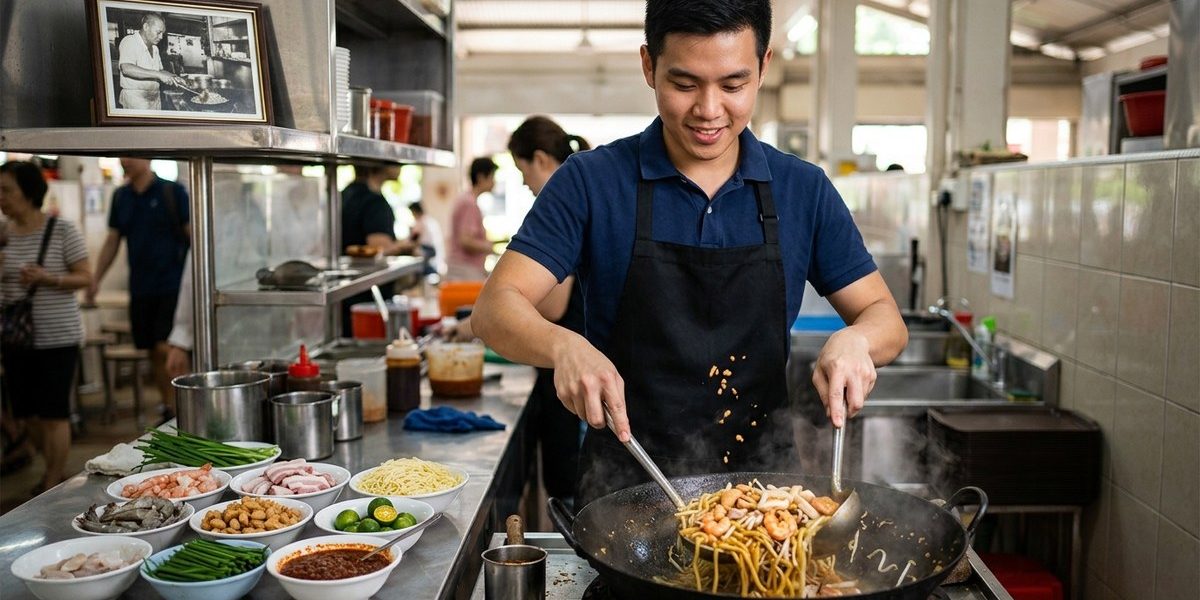
    Look at the cooking area. A quality stall runs a roaring flame. The wok should sit over intense heat, not a gentle simmer. You want to see flames licking the sides when the hawker tosses ingredients.

    Watch for these signs:

    • Active flame adjustment throughout cooking
    • Multiple wok movements per plate
    • Steam billowing when stock hits hot metal
    • Charred marks on the wok’s interior walls

    Avoid stalls where the hawker barely moves the wok or cooks multiple plates simultaneously. Hokkien mee demands full attention for each serving.

    Observe the Finished Plates

    Scan the tables around you. Look at what other customers are eating. Quality Hokkien mee has distinct visual markers.

    The noodles should glisten without sitting in a pool of oil. You want to see individual strands coated in sauce, not clumped together in a greasy mass. Properly fried noodles have slightly charred edges, evidence of high-heat contact.

    Prawns tell you about ingredient quality. They should look plump with heads still attached. Shriveled prawns or missing heads suggest frozen stock or cost-cutting. The shells should have a slight char, indicating they were fried with everything else rather than added at the end.

    Squid pieces should be white with clean cuts, not rubbery or grey. Pork belly should show caramelised edges with visible fat layers. These details reveal whether the hawker respects each ingredient’s cooking time.

    Listen to the Cooking Sounds

    Sound matters. A proper Hokkien mee stall creates a rhythmic symphony. The wok scrapes against metal. Stock hisses when it hits hot surfaces. Ingredients crackle and pop.

    Silence means low heat. Constant sizzling without variation suggests the hawker isn’t adjusting temperature. The best stalls have a dynamic soundscape that changes as each plate progresses through stages.

    The Five Non-Negotiable Quality Markers

    After watching dozens of stalls and speaking with hawkers, these five markers consistently separate exceptional plates from average ones.

    1. Wok Hei Presence

    Wok hei translates to “breath of the wok.” It’s that smoky, slightly charred aroma that only comes from intense heat. You should smell it before you see the plate.

    Good wok hei leaves visible marks. Look for:

    • Dark caramelised spots on noodle edges
    • Slightly blackened prawn shells
    • Charred bits of egg throughout
    • A smoky aroma that lingers after the plate arrives

    Stalls without proper wok hei produce clean-looking but flat-tasting noodles. The dish needs that fire-kissed intensity.

    2. Stock Absorption Balance

    The noodles should be moist but not swimming. When you lift a forkful, minimal liquid should drip back onto the plate. The stock should be absorbed into the noodles, not pooling underneath.

    Test this by observing the plate’s bottom after someone finishes eating. A thin glaze is fine. A puddle of liquid means the hawker added too much stock or didn’t reduce it properly during cooking.

    3. Prawn Head Quality

    This single detail reveals everything about a stall’s ingredient sourcing and preparation. Fresh prawn heads should be:

    • Bright orange or red in colour
    • Firmly attached to the body
    • Slightly crispy from frying
    • Full of roe when you crack them open

    Mushy, grey, or missing heads indicate frozen prawns or old stock. The best stalls use live prawns delivered that morning. You’ll taste the difference immediately.

    4. Noodle Texture Contrast

    Run your eyes over the plate. You should see both thick yellow noodles and thin white bee hoon clearly visible. Some stalls skimp on one type to save money.

    The yellow noodles should have visible bite marks from other diners. This shows they maintain chew even after sitting for a minute. Bee hoon should look soft but not dissolved into mush.

    5. Lard Crisps and Pork Belly Ratio

    Traditional Hokkien mee includes crispy pork lard and fatty pork belly. These aren’t optional garnishes. They’re essential fat sources that create richness.

    Count the pork pieces. A standard plate should have at least five to seven chunks of pork belly with visible fat layers. Lard crisps should be scattered throughout, not concentrated in one corner.

    The Practical Pre-Order Checklist

    Use this numbered process every time you approach a new Hokkien mee stall.

    1. Stand near the wok for 20 seconds. Watch one complete plate get cooked. Note the flame intensity and how often the hawker tosses the ingredients.

    2. Check three finished plates on nearby tables. Look for oil pooling, prawn quality, and noodle distribution. If two out of three plates look mediocre, walk away.

    3. Smell the air around the stall. You should detect prawn stock, smoky wok hei, and a hint of caramelised pork. If it smells mostly of generic cooking oil, the stock is weak.

    4. Observe the ingredient prep area. Fresh ingredients should be visible. Prawns in a container of ice, not sitting at room temperature. Noodles in covered containers, not exposed to air.

    5. Watch how the hawker handles stock. They should ladle it from a pot that’s actively simmering, not pour from a cold container. The stock should look cloudy and rich, not clear and thin.

    6. Note the queue composition. Are people in work clothes grabbing lunch, or are they tourists with cameras? Local regulars during off-peak hours signal consistent quality.

    Common Mistakes That Reveal Subpar Quality

    What You See What It Means Why It Matters
    Oil pooling at plate bottom Insufficient wok heat or too much cooking oil Noodles taste greasy instead of fragrant
    Uniform noodle colour throughout No wok hei, low flame cooking Missing the signature smoky depth
    Tiny prawn pieces without heads Cost-cutting with frozen prawns Weak stock and poor prawn flavour
    Clumped noodles stuck together Insufficient tossing or old noodles Uneven seasoning and poor texture
    Clear liquid pooling Weak stock or too much water added Diluted flavours, no richness
    Missing pork belly or lard Modern “healthier” version Lacks traditional fat-driven flavour
    Pale, uncharred ingredients Cooking at too low temperature No caramelisation or depth

    These mistakes compound. A stall making one error likely makes several. Trust your instincts when something looks off.

    What Veteran Hawkers Say About Quality

    “The stock must be boiling when I start cooking. If it’s cold, the noodles won’t absorb properly. I make fresh stock every morning using 10 kilos of prawn heads. No shortcuts. People can taste the difference.” — Third-generation Hokkien mee hawker, Geylang Serai

    This quote captures the core philosophy. Quality starts with ingredient preparation, not cooking technique. The best hawkers spend more time building stock than they do at the wok.

    Another veteran hawker shared this insight: fire control matters more than recipe. He adjusts flame intensity five or six times per plate. High heat for initial searing, medium for stock absorption, high again for final toss. This dance with temperature creates layers of flavour.

    The stock concentration matters too. Some stalls dilute their base to stretch it across more plates. This saves money but kills flavour. Quality stalls use thick, almost syrupy stock that costs more but delivers intense prawn sweetness.

    Regional Variations Worth Knowing

    Singapore Hokkien mee differs from the Penang or KL versions. Understanding these differences helps you assess quality within the right context.

    Singapore style uses yellow noodles and bee hoin fried with prawns, squid, and pork in a rich prawn stock. The result should be glossy and slightly wet. Some hawker centres specialise in this version with multiple competing stalls.

    The wet version adds more stock, creating an almost soupy consistency. This style requires even better stock quality since the liquid dominates. You’ll find this variation less commonly, but when done well, it’s extraordinary.

    Some stalls offer a dry version with minimal stock. The noodles should still show wok hei and prawn flavour, just with less moisture. This isn’t inferior, just different. Judge it on the same criteria: ingredient quality, fire control, and flavour depth.

    The Sambal and Lime Test

    Every Hokkien mee plate comes with sambal chilli and lime wedges. How you use them reveals the base quality.

    A truly excellent plate needs minimal sambal. The prawn stock and wok hei provide enough flavour. You might add a small dollop for heat, but not to mask blandness.

    Lime juice should enhance, not rescue. Squeeze a small amount on one section and taste. If the citrus dramatically improves the flavour, the base seasoning was lacking. Quality Hokkien mee tastes complete before any additions.

    However, don’t skip the condiments entirely. They’re part of the traditional experience. Just use them to accent rather than overhaul.

    How Time of Day Affects Quality

    Visit during peak lunch hours and you’ll see the stall at full capacity. This has advantages and disadvantages.

    Peak hours mean:

    • Fresher ingredients since turnover is high
    • The wok stays hot from continuous use
    • Stock gets replenished frequently
    • Higher chance of rushed cooking

    Off-peak visits offer:

    • More attention to your individual plate
    • Potentially older ingredients sitting longer
    • Stock that’s been simmering all morning (sometimes better)
    • Ability to chat with the hawker about their process

    The sweet spot is usually 11:30am or 1:30pm. Early enough for fresh ingredients, late enough that the hawker has hit their rhythm.

    Building Your Personal Quality Benchmark

    After reading this guide, visit three different Hokkien mee stalls this week. Apply the 30-second assessment at each one. Order from the stall that passes the most checks.

    Take mental notes about:

    • How the noodles feel in your mouth
    • Whether the prawn flavour comes through clearly
    • If you can taste individual ingredients or just generic “fried noodles”
    • Whether you feel satisfied or still hungry after finishing

    This personal benchmark becomes your reference point. Some neighbourhood gems serve exceptional versions that never get media attention.

    Compare your experiences. Notice patterns. Maybe you prefer slightly wetter versions. Perhaps you value pork belly over extra prawns. These preferences are valid. The quality markers remain the same, but your personal ranking will vary.

    Why This Skill Matters Beyond One Dish

    Learning to assess Hokkien mee quality trains your palate for other hawker dishes. The same principles apply: ingredient freshness, cooking technique, flavour balance, and attention to detail.

    You’ll start noticing similar patterns at char kway teow stalls or when ordering fried rice. The visual cues transfer. Wok hei matters everywhere. Stock quality affects multiple dishes. Ingredient prep reveals a hawker’s standards.

    This knowledge also helps preserve hawker culture. When you can identify quality, you support the right stalls. You become part of the ecosystem that rewards skill over marketing. The best hawkers don’t need Instagram fame. They need customers who appreciate their craft.

    As traditional hawker trades face succession challenges, informed customers become crucial. Your patronage keeps quality standards high and encourages the next generation to maintain traditional methods.

    Spotting Quality Becomes Second Nature

    The first few times you apply this assessment method, it feels deliberate. You’re consciously checking boxes and comparing notes. But after a dozen visits, the process becomes automatic.

    You’ll walk past a Hokkien mee stall and instantly know whether it’s worth trying. The visual cues register immediately. The aroma tells you about stock quality before you see the wok. The sound of cooking reveals fire intensity.

    This instinct serves you well beyond hawker centres. You’ll assess restaurant kitchens the same way. Home cooking improves because you understand what creates depth and complexity. Friends start asking for your recommendations.

    Most importantly, you stop wasting meals on mediocre plates. Life’s too short for oily, underseasoned Hokkien mee when exceptional versions exist at the same price point. Now you know exactly how to find them.

    Start with your nearest hawker centre this weekend. Spend 30 seconds observing before you order. Trust what you see, smell, and hear. The perfect plate of Hokkien mee is waiting, and now you know exactly how to spot it.

  • Chinatown’s Secret Food Route: Beyond the Tourist Traps

    Chinatown’s tourist corridor ends at Smith Street. Walk two blocks further and you’ll find elderly uncles slurping handmade noodles at 6am, aunties queuing for kueh that sell out by 9am, and third-generation hawkers who’ve never advertised a single day in their lives. These are the chinatown hidden gems food that guidebooks miss because they’re tucked in residential blocks, operate odd hours, or simply don’t care about Instagram.

    Key Takeaway

    Authentic Chinatown food hides in Keong Saik backstreets, Sago Lane shophouses, and Kreta Ayer residential blocks. Skip the tourist hawker centres. Look for handwritten signs, elderly customers, and stalls that close by noon. The best char kway teow, bak chor mee, and traditional kueh exist where locals queue before dawn and vendors speak only dialect.

    Where Real Chinatown Food Actually Lives

    Most visitors never leave the Pagoda Street to Smith Street corridor. They eat at Maxwell Food Centre, snap photos at Buddha Tooth Relic Temple, then call it done.

    The food locals eat sits three streets over.

    Keong Saik Road transformed from red-light district to hipster haven, but its back alleys still harbour pre-war coffee shops serving kaya toast the old way. Sago Lane, once known as “Death House Street” for its funeral parlours, now hosts family-run noodle stalls that have operated since the 1960s.

    Kreta Ayer Complex gets dismissed as “too local” by tour guides. That’s exactly why you should go. The wet market downstairs supplies half of Chinatown’s restaurants. The hawker centre upstairs feeds the people who run them.

    Here’s what separates tourist traps from hidden neighbourhood gems:

    Tourist Spot Hidden Gem
    English menu with photos Handwritten Chinese only
    Open 10am to 10pm daily Operates 6am to 1pm, closed Sundays
    Queue of tourists with cameras Queue of retirees with Tupperware
    Accepts cards and PayNow Cash only, exact change preferred
    Stall run by hired cooks Original hawker or family successor

    The pattern repeats across every authentic stall. If the vendor speaks perfect English and the menu explains every ingredient, you’re eating tourist food.

    The Pre-Dawn Breakfast Circuit

    Serious food hunters set alarms for 5.30am.

    That’s when Chinatown’s breakfast specialists fire up their woks, steam their buns, and prepare ingredients that will sell out before most tourists wake up.

    Traditional Kueh That Disappear by 9am

    Ang ku kueh, kueh lapis, kueh salat. These aren’t Instagram props. They’re breakfast staples that require hours of predawn preparation.

    The best kueh stalls operate from residential void decks and small shophouses along Banda Street and Chin Swee Road. No signboards. No online presence. Just metal trays of handmade kueh that grandmothers have been buying for forty years.

    Look for these signs:
    – Stalls that open at 6am sharp
    – Elderly customers buying multiple boxes
    – Kueh wrapped in banana leaves, not plastic
    – Vendors who know regulars by name
    – Everything sold out by 10am

    One stall near Kreta Ayer Community Centre makes ondeh ondeh so good that office workers detour thirty minutes just to grab a box before work. The uncle has been making them since 1978. His gula melaka filling uses a recipe his mother brought from Malacca.

    He doesn’t take orders. He doesn’t do delivery. Show up early or go hungry.

    The Bak Chor Mee Masters

    Chinatown has three bak chor mee stalls that locals consider untouchable. Not the Michelin-starred one tourists queue for. The ones where taxi drivers eat.

    The 78-year-old uncle behind Chinatown’s best char kway teow isn’t the only elderly hawker worth seeking out. Several bak chor mee specialists in their seventies still work the morning shift, preparing noodles the way their fathers taught them.

    Real bak chor mee uses specific noodle thickness, precise vinegar ratios, and pork that’s minced fresh that morning. The difference between good and great comes down to technique accumulated over decades.

    One stall at People’s Park Food Centre has been making mee pok since 1969. The second-generation owner still hand-mixes his chilli paste every morning using eight different dried chilli types. His father’s original recipe called for ten, but two varieties no longer exist in Singapore.

    “Tourist want sweet. Local want vinegar kick. I make for local. Tourist don’t like, they go Maxwell.” – Bak chor mee hawker, 42 years experience

    How to Eat Chinatown Like a Singaporean

    Stop planning food crawls around Instagram coordinates. Start following these local patterns.

    The Five-Step Method for Finding Authentic Stalls

    1. Walk past any hawker centre mentioned in guidebooks
    2. Look for kopitiam with faded signage and elderly customers
    3. Order whatever the person in front of you ordered
    4. Pay cash and don’t expect change for large notes
    5. Return the next day at the same time if it’s good

    This method works because authentic hawkers build businesses on regulars, not walk-ins. They cook the same dishes the same way for decades. Their customers know the routine. You should too.

    Reading the Queue

    Not all queues signal quality. Some indicate tourist traps with good marketing.

    Real queues have patterns:
    – Mixed ages, heavy on retirees and shift workers
    – Customers ordering in dialect or simple English
    – People buying multiple portions to take away
    – Queue moves fast because regulars know what they want
    – No phones out, no photography

    Tourist queues look different:
    – Mostly visitors with cameras and guidebooks
    – Lots of questions about ingredients
    – Single portion orders for immediate consumption
    – Slow-moving because everyone’s deciding
    – Constant photo-taking

    The char kway teow stall with a 45-minute tourist queue at 2pm? Locals ate there at 7am when the wok was hottest and the queue was five minutes.

    Timing matters as much as location.

    The Shophouse Restaurants Nobody Writes About

    Between the heritage hotels and hipster cafes, old-school Chinatown restaurants survive in pre-war shophouses. No renovations. No concept. Just family recipes and regulars who’ve been coming since childhood.

    These places don’t advertise. They don’t need to.

    Where Office Workers Actually Eat Lunch

    Forget the food courts in Chinatown Point and People’s Park Centre. Local office workers eat at the small restaurants along Cross Street, Telok Ayer Street’s back end, and the shophouses near Tanjong Pagar MRT.

    One Cantonese restaurant on Teck Lim Road has served the same roast duck rice for 38 years. The owner roasts maybe twenty ducks daily. Sellout time varies, but it’s usually gone by 1.30pm.

    The menu hasn’t changed. The prices barely have either. A plate of roast duck rice costs what you’d pay at a food court, but the duck is roasted in-house using a brick oven installed in 1985.

    No tourists know about it because it looks like every other shophouse on that street. The signage is in Chinese. The interior has fluorescent lighting and plastic stools. Nothing photogenic exists here except the food.

    The Teochew Porridge Specialists

    Teochew porridge restaurants represent Chinatown’s most misunderstood food category. Tourists see plain rice porridge and wonder what the fuss is about.

    The porridge is just the vehicle. The dozen small dishes surrounding it are the point.

    Authentic Teochew porridge meals include braised duck, preserved vegetables, steamed fish, salted egg, and various pickled items. You order multiple dishes, share them, and use the porridge to balance the strong flavours.

    Several shophouses near Chinatown Complex still serve traditional Teochew porridge the proper way. They open for dinner, stay packed with families until 10pm, then close. No lunch service. No weekend hours sometimes.

    One restaurant on Sago Street has been run by the same family since 1972. The third generation now manages it, but grandmother still pickles the vegetables using her original recipe. Those pickles take three weeks to prepare properly.

    You can’t rush tradition.

    Navigating Chinatown Complex Without Getting Lost

    Chinatown Complex intimidates first-timers. Three floors. Over 200 stalls. Minimal English signage.

    It’s also where some of Singapore’s best hawker food hides.

    The wet market occupies the ground floor. The main hawker centre sits on the second floor. The third floor holds a smaller, quieter food centre that most tourists never find.

    That third floor is where you want to be.

    The Third Floor Secret

    Fewer stalls. Less crowd. Better food-to-tourist ratio.

    Several stalls up here have operated for over thirty years. They’re not famous because they’re not on the main floor. They don’t get the foot traffic. But regulars know.

    One economical rice stall serves home-style Cantonese dishes that change daily based on what’s fresh at the market downstairs. The auntie cooking has been there since 1991. Her braised pork belly appears on Wednesdays and Fridays only. People plan their week around it.

    Another stall makes handmade you tiao every morning. Not the frozen, mass-produced kind. Actual hand-pulled dough fried fresh. The texture difference is night and day.

    These stalls survive on locals who live in the HDB blocks surrounding Chinatown. Office workers from Tanjong Pagar. Market vendors taking their lunch break. Not tourists hunting for Michelin stars.

    What to Order When You Can’t Read the Menu

    Point at what others are eating. Works every time.

    Or learn these essential phrases:
    – “Same as him” (point at nearby customer)
    – “What’s good today?”
    – “Auntie, you choose for me”

    Hawkers appreciate customers who trust their judgment. You’ll often get better portions and the freshest items when you let them decide.

    The Dying Trades Still Practiced in Chinatown

    Some hawker skills are disappearing. A few Chinatown stalls still practice them.

    Hand-Pulled Noodles

    Only two stalls in Chinatown still make hand-pulled noodles from scratch daily. Both are run by elderly uncles who learned the technique in China decades ago.

    The noodles taste completely different from factory-made versions. Chewier. More texture. Better at absorbing soup.

    One stall operates from a small shophouse on Banda Street. The uncle makes noodles from 5am to 8am, then serves them until they’re gone. Usually by 11am.

    He’s 74. No successor. When he retires, this particular style of hand-pulled noodle will likely vanish from Chinatown.

    Five dying hawker trades face similar futures across Singapore. But Chinatown concentrates several of them in a few square blocks.

    Traditional Hakka Yong Tau Foo

    Not the self-service soup version. The original Hakka style where everything is stuffed by hand and braised in a clay pot.

    One stall at People’s Park Food Centre still does it this way. The owner stuffs tofu, bitter gourd, chilli, and eggplant with a fish paste recipe his grandmother created. Each piece takes several minutes to prepare.

    He makes maybe 50 servings per day. That’s his physical limit. The stuffing process can’t be rushed or mechanised without compromising texture.

    His children work in tech. None want to inherit the stall. He’ll operate until his hands give out, then close permanently.

    The Timing Game

    Chinatown’s best food appears and disappears on strict schedules.

    When to Visit What

    Early morning (6am to 9am):
    – Kueh stalls
    – Bak chor mee specialists
    – Kaya toast at traditional kopitiams
    – Congee and you tiao

    Late morning (10am to 1pm):
    – Roast meat specialists
    – Economical rice stalls
    – Teochew porridge (some open for lunch)
    – Handmade popiah

    Afternoon (2pm to 5pm):
    – Most stalls closed
    – Only tourist-oriented places open
    – Worst time to eat in Chinatown

    Evening (6pm to 9pm):
    – Teochew porridge restaurants
    – Claypot rice specialists
    – Seafood zi char stalls
    – Supper spots start preparing

    Late night (10pm onwards):
    – Frog porridge (Geylang, technically, but worth staying up for)
    – Supper stalls near clubs
    – 24-hour kopitiams

    The pattern is clear. Authentic stalls operate when locals eat. They close during tourist hours because that’s when their regulars are at work.

    The Monday Problem

    Many traditional stalls close Mondays. Some close Sundays. A few close both.

    Always check before making plans. The best char kway teow in Chinatown does you no good if the uncle takes Mondays off and you’re only in Singapore for the weekend.

    Beyond the Hawker Centre Bubble

    Some of Chinatown’s best food never sits in a hawker centre.

    The Provision Shop Specialists

    Several provision shops along Sago Street and Mosque Street sell homemade items that locals buy regularly.

    One shop makes traditional Hainanese curry powder from scratch. Another sells handmade tau sar piah that people order weeks in advance for special occasions.

    These aren’t restaurants. They’re small businesses that have operated for generations, supplying ingredients and snacks to the neighbourhood.

    The tau sar piah shop has been run by the same family since 1953. They make three varieties: original, with extra lard, and without lard for health-conscious customers. The original recipe uses thirteen ingredients. The owner won’t specify which ones.

    The Back-Alley Kopitiams

    Not every kopitiam sits on a main road.

    Several operate from narrow lanes between shophouses. You’d walk past without noticing if you didn’t know they existed.

    One kopitiam on a small lane off Keong Saik Road has served the same kaya toast and soft-boiled eggs since 1968. The coffee is roasted in-house using a charcoal roaster that’s older than most customers.

    The place seats maybe twenty people. No air-conditioning. No WiFi. Cash only.

    It’s packed every morning with retirees reading Chinese newspapers and construction workers grabbing breakfast before their shift.

    What Locals Actually Recommend

    Asked where to eat in Chinatown, most Singaporeans won’t name famous stalls.

    They’ll mention the economical rice auntie who gives generous portions. The roast duck uncle who saves the crispy skin pieces for regulars. The popiah stall that makes everything fresh when you order.

    These recommendations come with caveats:
    – “But the uncle is quite grumpy”
    – “Must go before 11am or sold out”
    – “Cash only and sometimes he closes early”
    – “The place looks dirty but the food is clean”

    This is how locals talk about food. Not in superlatives, but in practical details that matter more than atmosphere.

    The best hawker dishes you’ve never heard of often come from stalls with these exact characteristics. Inconvenient hours. Grumpy service. No ambience. Incredible food.

    Making the Most of Your Chinatown Food Hunt

    Stop treating Chinatown like a checklist.

    Spend less time photographing. More time tasting.

    Talk to the vendors who’ll engage. Most won’t, especially if they’re busy. But some enjoy sharing stories about their food, their family history, their regular customers.

    One char kway teow uncle told me about cooking for Lee Kuan Yew’s security detail in the 1970s. Another hawker explained how his father smuggled their family recipe out of China during the Cultural Revolution.

    These stories don’t appear on menus or Instagram. They emerge during slow moments when you’re a regular, or at least acting like one.

    Bring cash. Small notes. Don’t ask for receipts. Don’t request modifications unless you have allergies. Order what they’re good at, not what you’re curious about.

    Return to stalls you like. Recognition matters in hawker culture. The third visit is when portions get bigger, extra ingredients appear, and the vendor might actually smile.

    Where This All Leads

    Chinatown’s hidden food scene isn’t hiding. It’s just living its normal life while tourists eat elsewhere.

    The best stalls don’t need your business. They have loyal customers who’ve been coming for decades. Your visit changes nothing for them.

    But it might change everything for you.

    Once you taste bak chor mee made by someone who’s been perfecting it for forty years, the food court version becomes impossible to enjoy. Once you experience handmade kueh from a recipe that predates your parents, the packaged stuff tastes like cardboard.

    Authentic food ruins you for mediocre food. That’s both the blessing and the curse of eating like a local.

    Start with one stall. Learn its rhythm. Become a regular. Then find another. Build your own map of chinatown hidden gems food based on your taste, not someone else’s blog post.

    The uncle making hand-pulled noodles won’t be there forever. The auntie stuffing yong tau foo will eventually retire. The traditional kueh makers are already training their last generation of successors.

    Eat this food while it still exists. Not because it’s trendy or Instagrammable, but because it represents a vanishing Singapore that deserves to be tasted, not just photographed.

  • Can You Really Tell the Difference Between Hainanese and Ipoh Chicken Rice?

    You’ve probably stood in front of a hawker stall menu, staring at “Hainanese Chicken Rice” and “Ipoh Chicken Rice,” wondering if they’re actually different or just marketing speak. The truth is, these two styles come from distinct culinary traditions, and once you know what to look for, you’ll never confuse them again.

    Key Takeaway

    Hainanese chicken rice features poached chicken with garlic-ginger rice, served at room temperature with chilli and dark soy sauce. Ipoh chicken rice uses soy-braised chicken served on plain white rice with a distinctive soy-sesame dipping sauce. The difference lies in chicken preparation, rice cooking method, accompaniments, and regional heritage from Singapore versus Malaysia.

    What Makes Hainanese Chicken Rice Stand Out

    Hainanese chicken rice is Singapore’s national dish for good reason.

    The chicken gets poached in a precise temperature bath, usually around 80 to 85 degrees Celsius. This low-heat method keeps the meat silky and tender, with that signature jelly-like skin that wobbles when you touch it with your chopsticks.

    After poaching, the chicken takes an ice bath. This sudden temperature drop stops the cooking process and creates that pale, almost translucent appearance on the skin.

    The rice is where things get interesting. Hawkers cook it in chicken stock with pandan leaves, ginger, and garlic. Some stalls add chicken fat rendered from the bird itself. The result is fragrant, slightly oily rice that clumps together just enough to hold its shape on your spoon.

    You’ll get three condiments on the side:

    • Ginger paste mixed with oil
    • Red chilli sauce with garlic and lime
    • Dark soy sauce, sometimes sweetened

    The chicken arrives at room temperature or slightly warm. Never piping hot. This is intentional and traditional, not a sign of poor service.

    When Hainanese cooks left the British kitchens, they brought this technique with them and adapted it for hawker centre life.

    How Ipoh Chicken Rice Takes a Different Path

    Ipoh chicken rice comes from the Malaysian city of Ipoh in Perak state.

    The chicken preparation couldn’t be more different. Instead of poaching, the bird gets braised in a soy sauce mixture with herbs and spices. Think star anise, cinnamon, and sometimes a touch of five-spice powder.

    This braising creates a darker, caramelised exterior. The meat takes on a savoury, slightly sweet flavour from the soy marinade. No jelly skin here. The texture is firmer, more substantial.

    The rice is plain white rice. Full stop. No chicken stock, no garlic, no pandan. Just steamed jasmine rice that acts as a neutral base for the intensely flavoured chicken.

    The sauce is the star. You’ll get a small dish of light soy sauce mixed with sesame oil and sometimes spring onions. Some stalls add a drop of oyster sauce. This combination is sharp, nutty, and cuts through the richness of the braised meat.

    Ipoh chicken rice also comes with bean sprouts. Not the wimpy, pale ones you find in supermarkets, but thick, crunchy Ipoh bean sprouts blanched just enough to stay crisp. They’re served with a sprinkle of white pepper and a bit of the soy-sesame sauce.

    The Rice Tells the Real Story

    Let’s break down the rice preparation because this is where you can really taste the difference.

    Aspect Hainanese Style Ipoh Style
    Base liquid Chicken stock Plain water
    Aromatics Garlic, ginger, pandan None
    Fat content Chicken fat or oil Minimal
    Texture Slightly sticky, fragrant Separate grains, neutral
    Colour Light yellow-brown Pure white
    Flavour role Main component Supporting base

    The Hainanese method treats rice as a dish in its own right. You could eat it alone and feel satisfied.

    The Ipoh method treats rice as a vehicle. It’s there to soak up the sauce and balance the strong flavours of the braised chicken.

    Some hawkers will tell you they can identify a stall’s origin just by tasting the rice. That’s not an exaggeration.

    Spotting the Differences at First Glance

    Walk up to any chicken rice stall and you can identify the style before ordering.

    Look at the chicken display. Hainanese chicken will be pale, almost white, with that characteristic glossy skin. The pieces are usually arranged neatly, sometimes still glistening with moisture.

    Ipoh chicken will be dark brown, with visible soy sauce staining. The skin might look slightly wrinkled from the braising process. The presentation is often less pristine because the cooking method is more rustic.

    Check the condiment setup. Three small dishes means Hainanese. One dish of dark sauce means Ipoh.

    Notice the sides. A bowl of clear chicken soup suggests Hainanese style. Bean sprouts on the plate point to Ipoh origins.

    The serving temperature matters too. Room temperature chicken with warm rice is classic Hainanese. Warm chicken with hot rice leans toward Ipoh style, though this varies by stall.

    Understanding the Cooking Techniques Behind Each Style

    The poaching technique for Hainanese chicken rice requires precision.

    1. Bring a large pot of water to a rolling boil with ginger and spring onions
    2. Submerge the whole chicken and bring back to a boil
    3. Turn off the heat immediately and cover the pot
    4. Let the chicken sit in the hot water for 30 to 40 minutes depending on size
    5. Transfer to an ice bath for 10 to 15 minutes
    6. Rub with sesame oil and hang to dry before cutting

    This method is unforgiving. Five minutes too long and you get dry breast meat. Not cold enough in the ice bath and the skin tears when you cut it.

    The braising method for Ipoh chicken is more forgiving but requires different skills.

    1. Prepare a braising liquid with dark soy sauce, light soy sauce, water, sugar, and spices
    2. Bring to a boil and add the chicken
    3. Simmer on low heat for 45 to 60 minutes, turning occasionally
    4. Let the chicken rest in the braising liquid off heat for 15 minutes
    5. Remove and chop while still warm

    The braising liquid can be reused and improved over time. Some stalls maintain a “master stock” that’s been cooking for decades, adding more liquid and spices as needed.

    “The difference between good Hainanese chicken rice and great Hainanese chicken rice is the ice bath. Skip it and you’ll never get that texture right, no matter how perfect your poaching is.” – Veteran hawker at Tiong Bahru Market

    Common Mistakes When Identifying Each Style

    People often confuse roasted chicken rice with Ipoh chicken rice because both have darker meat.

    Roasted chicken rice is a third category entirely. The chicken gets roasted in an oven or over charcoal, creating crispy skin and smoky flavours. Ipoh chicken is braised, never roasted, and the skin stays soft.

    Another mix-up happens with “white chicken” versus Hainanese chicken. Some stalls advertise “white chicken” to mean plain poached chicken without much seasoning. True Hainanese style involves specific aromatics in the poaching liquid and always includes that ice bath step.

    The rice confusion is real too. Some modern stalls serve Ipoh-style chicken with chicken fat rice to appeal to local tastes. This hybrid approach makes identification harder but isn’t traditional to either style.

    Temperature throws people off. If you get cold Hainanese chicken rice, it’s usually because the stall pre-portions their chicken and refrigerates it. Traditional service is room temperature, not cold from the fridge.

    Regional Variations Within Each Style

    Not all Hainanese chicken rice tastes the same across Singapore.

    Some stalls add more garlic to their rice. Others use less chicken fat and more oil. The chilli sauce varies wildly from stall to stall, with some versions being fiery and others mild and sweet.

    Tian Tian Hainanese Chicken Rice at Maxwell Food Centre has a distinct chilli sauce that’s become its signature. Other stalls have tried to replicate it with varying success.

    Ipoh chicken rice also varies, though less dramatically. The main difference is in the braising liquid’s spice blend. Some stalls go heavy on star anise, creating a more medicinal flavour. Others keep it simple with just soy sauce and sugar.

    In Ipoh itself, you’ll find stalls that serve the chicken with hor fun (flat rice noodles) instead of rice. This variation is rare in Singapore but worth trying if you visit Malaysia.

    The bean sprouts are non-negotiable in authentic Ipoh chicken rice. Any stall that skips them is taking shortcuts.

    What to Order Based on Your Preferences

    Choose Hainanese chicken rice if you want:

    • Delicate, subtle flavours
    • Tender, almost buttery chicken texture
    • Fragrant, flavourful rice as the main attraction
    • Multiple condiments to customise each bite
    • A lighter meal that won’t sit heavy

    Choose Ipoh chicken rice if you prefer:

    • Bold, savoury flavours
    • Firmer chicken with more bite
    • Plain rice that lets the chicken shine
    • A unified sauce that ties everything together
    • A more substantial, satisfying meal

    Neither style is “better.” They serve different moods and preferences.

    If you’re ordering chicken rice like a true Singaporean, you’d probably have both styles in your regular rotation. Some days call for the elegance of Hainanese. Other days need the punch of Ipoh.

    Where to Find Authentic Examples of Each Style

    Most hawker centres in Singapore specialise in Hainanese chicken rice. It’s the local standard.

    For textbook Hainanese examples, check Maxwell Food Centre or any of the stalls at air-conditioned hawker centres around the island.

    Ipoh chicken rice is harder to find but not impossible. Look for stalls with “Ipoh” in the name or those advertising “soy sauce chicken rice.” Some Malaysian-run stalls in neighbourhood centres serve authentic versions.

    The hidden neighbourhood gems often have at least one stall doing Ipoh style properly. These places cater to Malaysian expats who know the difference and won’t accept substitutes.

    If you’re willing to travel, Johor Bahru has excellent Ipoh chicken rice stalls. The 20-minute drive across the causeway is worth it for the real deal.

    The Cultural Context Behind Each Dish

    Hainanese chicken rice reflects Singapore’s Hainanese immigrant history. These cooks worked in British colonial households, learning Western cooking techniques while maintaining Chinese flavours. The dish evolved in Singapore’s hawker centres into something uniquely local.

    Ipoh chicken rice represents Perak’s Chinese community, particularly the Cantonese and Hakka groups who settled there. The braising method comes from traditional Cantonese soy sauce chicken, adapted for the Malaysian palate with local ingredients.

    Both dishes show how Chinese immigrants adapted their cooking to new environments. Neither is “more authentic” Chinese food. They’re both Southeast Asian creations with Chinese roots.

    The rivalry between fans of each style mirrors the friendly food competition between Singapore and Malaysia. Each country claims its version is superior, but really they’re just different expressions of similar ideas.

    Understanding this context makes the difference between Hainanese and Ipoh chicken rice more meaningful. You’re not just choosing between cooking methods. You’re choosing between two distinct cultural histories.

    Why the Difference Actually Matters

    Knowing the difference between Hainanese and Ipoh chicken rice helps you order confidently at hawker centres.

    You won’t be disappointed when your Ipoh chicken rice arrives with plain white rice. You’ll understand that’s how it should be.

    You won’t send back room-temperature Hainanese chicken thinking it’s gone cold. You’ll recognise it as proper technique.

    This knowledge also helps you appreciate the skill involved in each style. The precision of Hainanese poaching is different from the patience of Ipoh braising, but both require years to master.

    When you travel to Malaysia, you’ll be able to compare versions and understand regional differences. You’ll know what to look for and how to judge quality.

    Most importantly, you’ll be able to explain the difference to confused friends and visitors. Singapore’s hawker culture deserves informed eaters who can preserve and share this knowledge.

    Two Styles, One Delicious Truth

    The difference between Hainanese and Ipoh chicken rice isn’t just academic food history. It’s practical information that changes how you eat and appreciate these dishes.

    Next time you’re at a hawker centre, pay attention to the details. Notice the colour of the chicken, the texture of the rice, the condiments on the side. Let your understanding deepen your enjoyment.

    Both styles have earned their place in Southeast Asian food culture. Both deserve respect and attention. And both taste incredible when done right by skilled hawkers who’ve spent decades perfecting their craft.

  • East Coast Breakfast Trail: Where Locals Queue Before 9AM

    East Coast Breakfast Trail: Where Locals Queue Before 9AM

    The alarm rings at 6.30am on a Saturday. Most people roll over. But along the East Coast, a different crowd is already dressed and out the door. They’re heading to hawker centres where the queues form before the sun gets too high, where uncles and aunties have been flipping woks since dawn, and where the breakfast is worth setting an alarm for.

    Key Takeaway

    East Coast’s best breakfast spots draw locals before 9am for good reason. These hawker centres serve legendary carrot cake, kaya toast, and noodle dishes made by veterans who’ve perfected their craft over decades. Arrive early to beat the crowds, bring cash, and prepare to queue at stalls where regulars know exactly what to order. This guide reveals which centres locals actually visit and what makes each one worth the morning effort.

    What Makes East Coast Breakfast Different

    East Coast breakfast culture runs on a different clock. While tourist hotspots wake up slowly, neighbourhood hawker centres here hit peak activity between 7am and 9am. The rhythm follows working families, retirees meeting friends, and regulars who’ve been coming to the same stall for twenty years.

    The food reflects this consistency. You’ll find stalls run by the same family since the 1970s, recipes unchanged, techniques passed down. No Instagram walls or branded packaging. Just aunties who remember your usual order and uncles who’ve been frying chwee kueh since before you were born.

    Location matters too. These centres sit within residential estates, serving people who live minutes away. The customer base is local, which means quality can’t slip. One bad morning and word spreads through the whole neighbourhood.

    Bedok 85 Fengshan Centre Breakfast Scene

    East Coast Breakfast Trail: Where Locals Queue Before 9AM - Illustration 1

    Bedok 85 opens at 6am. By 7am, every table is taken. The centre houses over 80 stalls, but breakfast regulars know exactly which ones to target.

    The fried carrot cake stall draws the longest queue. The uncle starts frying at 5.30am to prep for opening. His version uses the traditional white radish cake, fried with eggs, preserved radish, and spring onions. Locals order both versions, white and black, to compare. The black version gets dark soy sauce for that caramelised sweetness.

    Three stalls down, the prawn noodle queue forms just as fast. The broth simmers overnight, giving it that deep prawn head flavour. Regulars add extra lard for richness. The stall sells out by 10am most mornings.

    For kaya toast, the kopitiam corner operates on old school efficiency. Bread goes into charcoal grills, butter and kaya spread thick, soft boiled eggs arrive in floral cups. The coffee is strong enough to wake you properly. Order kopi-C if you want evaporated milk, kopi-O if you take it black with sugar.

    “I’ve been coming here since 1985 when this centre first opened. The carrot cake uncle knows my order before I reach the front of the queue. That’s the kind of relationship you build over decades.” — Mrs Tan, Bedok resident

    Siglap V Food Centre Hidden Gems

    Siglap V sits further down East Coast Road, smaller than Bedok 85 but equally loved by locals. The centre has maybe 30 stalls, which makes it easier to navigate but harder to get a seat during peak hours.

    The bak chor mee stall here uses minced pork that’s marinated overnight. The noodles come tossed in black vinegar, chilli, and lard. You can order mee kia (thin noodles) or mee pok (flat noodles). Locals go for mee pok because it holds the sauce better. Add extra vinegar at the table if you like it tangy.

    The economic rice stall opens at 6.30am with fresh dishes. By 8am, the best items are gone. Get there early for the sambal kangkong, curry chicken, and fried egg. The auntie gives generous portions if you’re a regular.

    For something lighter, the yong tau foo stall lets you pick your own ingredients. The soup base is clear and clean, made from ikan bilis and soy beans. Locals load up on bitter gourd, tau pok, and fish paste items. Skip the instant noodles and go for tang hoon if you want to keep it traditional.

    Changi Village Food Centre Morning Routine

    East Coast Breakfast Trail: Where Locals Queue Before 9AM - Illustration 2

    Changi Village operates on island time, slightly slower than the rest of Singapore. But the breakfast crowd here is just as serious. The centre sits near the ferry terminal, which means you get a mix of locals and people heading to Pulau Ubin.

    The nasi lemak stall has been here since the 1980s. The rice cooks in coconut milk with pandan leaves. The sambal is made fresh every morning, spicy enough to make you reach for water. Locals order extra ikan bilis and peanuts. The fried chicken wing is worth adding on.

    The roti prata stall flips dough from 7am. The plain prata comes crispy on the outside, fluffy inside. Dip it in curry or sugar, depending on your mood. The murtabak takes longer because the uncle stuffs it with mutton, onions, and egg before folding and grilling. Order ahead if you’re in a rush.

    For drinks, the traditional coffee shop serves kopi from a sock filter. The process takes longer but the taste is smoother. Locals sit at marble tables, reading newspapers, taking their time. This isn’t a grab and go situation. Breakfast here is meant to be savoured.

    How to Navigate East Coast Breakfast Like a Local

    Getting the most from East Coast breakfast requires strategy. Here’s the process locals follow.

    1. Arrive between 7am and 8am for the best selection before stalls sell out.
    2. Scout the centre first to see which stalls have the longest queues, those are usually the good ones.
    3. Split up if you’re in a group, one person queues while others secure a table.
    4. Bring cash because most stalls don’t take cards or PayNow.
    5. Order drinks separately from food, the kopitiam and food stalls operate independently.
    6. Return your tray when done, it’s the expected practice at hawker centres.

    The timing matters more than you think. Arrive at 9am and half the stalls are sold out. Show up at 6.30am and some stalls are still setting up. The sweet spot is that 7am to 8am window when everything is fresh and available.

    What to Order at Each Centre

    Different centres have different strengths. Here’s what locals actually order.

    Bedok 85 Fengshan Centre
    – Fried carrot cake (white and black)
    – Prawn noodle soup
    – Kaya toast set with soft boiled eggs
    – Chwee kueh with preserved radish
    – Hokkien mee

    Siglap V Food Centre
    – Bak chor mee (mee pok style)
    – Economic rice with sambal kangkong
    – Yong tau foo soup
    – Roti john with sardine filling
    – Teh tarik from the drink stall

    Changi Village Food Centre
    – Nasi lemak with fried chicken wing
    – Roti prata with mutton curry
    – Laksa with extra cockles
    – Wanton mee
    – Traditional kopi from the old kopitiam

    Each centre has multiple versions of the same dish. The carrot cake at Bedok 85 tastes different from the one at Changi Village. Both are good, just different techniques and recipes.

    Common Mistakes Visitors Make

    Even locals mess up sometimes. Here are the errors to avoid and how to fix them.

    Mistake Why It’s Wrong What to Do Instead
    Arriving after 9am Best items sold out, longer queues Get there by 7.30am
    Not bringing cash Most stalls cash only Withdraw before you go
    Ordering from one stall only You miss the variety Try dishes from different stalls
    Sitting at a reserved table Regulars have their spots Look for tissue packets before sitting
    Leaving without trying drinks Missing half the experience Order kopi or teh from kopitiam
    Taking photos of every dish Holding up the queue Eat first, photograph later

    The tissue packet situation is real. Locals use tissue packets to reserve tables, a practice called “chope.” If you see tissues on a table, someone is coming back. Find another spot or ask if the table is actually taken.

    Why These Centres Beat Tourist Spots

    The difference between East Coast breakfast spots and tourist hawker centres comes down to authenticity. Places like Maxwell Food Centre serve great food, but they’re designed for visitors. East Coast centres serve locals who eat there multiple times a week.

    That changes everything. Stall owners can’t hide behind novelty or location. The food has to be consistently good because their customers will call them out if it’s not. Prices stay reasonable because the neighbourhood won’t pay tourist markups. And the atmosphere stays genuine because everyone there is just getting breakfast, not ticking off a bucket list.

    You’ll also notice the pace is different. Tourist centres move fast, people eating and leaving. East Coast centres let you linger. Retirees spend hours over coffee and newspapers. Families take their time finishing meals. Nobody’s rushing you out to free up the table.

    The variety matters too. While hidden neighbourhood gems exist across Singapore, East Coast has a concentration of quality breakfast options within a small area. You can hit three centres in one morning if you’re ambitious.

    Understanding the Queue Culture

    Queues at East Coast breakfast spots follow unwritten rules. Stand in line, don’t cut, and have your order ready when you reach the front. The uncle or auntie serving you has been doing this for decades. They move fast and expect you to keep up.

    If you’re unsure what to order, watch what regulars get. Listen to how they place orders. Most locals use a shorthand, saying dish names followed by specifications. “Carrot cake, black, one plate.” “Prawn noodle, dry, extra chilli.”

    Don’t ask for modifications unless the stall specifically offers them. These aren’t restaurants with customisable menus. The dishes are made a certain way, perfected over years. Requesting changes throws off the rhythm and marks you as an outsider.

    Some stalls have self service elements. You might need to grab your own cutlery, clear your own table, or order drinks separately. Watch what others do and follow along. The system works efficiently once you understand it.

    The Hawker Veterans Worth Knowing

    Behind every great breakfast stall is someone who’s been doing this for decades. These aren’t celebrity chefs or social media personalities. They’re working class Singaporeans who chose hawking as a trade and mastered it through repetition.

    The carrot cake uncle at Bedok 85 started helping his father in the 1970s. He’s been frying carrot cake for over 40 years now. His hands move automatically, flipping the radish cake at exactly the right moment, adding eggs with perfect timing. That muscle memory can’t be taught, only earned through thousands of repetitions.

    The nasi lemak auntie at Changi Village learned her recipe from her mother, who learned it from her grandmother. Three generations of the same sambal recipe, adjusted slightly over time but maintaining the core flavour profile. That continuity is what makes hawker food special.

    These veterans represent a dying trade in many ways. Their children often pursue other careers. When they retire, their stalls might close permanently. That makes every breakfast at these places more valuable. You’re not just eating food, you’re experiencing living culinary history.

    When to Visit Each Centre

    Each East Coast breakfast spot has optimal timing based on crowd patterns and stall operations.

    Bedok 85 Fengshan Centre
    – Best time: 7am to 8am on weekdays
    – Avoid: Sunday mornings when families crowd the centre
    – Peak queue time: 8am to 9am on weekends

    Siglap V Food Centre
    – Best time: 7.30am to 8.30am any day
    – Avoid: Public holidays when regulars and tourists overlap
    – Peak queue time: 8am to 9am on Saturdays

    Changi Village Food Centre
    – Best time: 7am to 8.30am on weekdays
    – Avoid: Weekend mornings when Pulau Ubin visitors arrive
    – Peak queue time: 8.30am to 10am on Sundays

    Public holidays change everything. Centres that are normally manageable become packed. If you’re visiting on a holiday, arrive even earlier or be prepared to wait longer.

    Weather affects crowds too. Rainy mornings mean fewer people venture out. If you check the forecast and see morning showers, that might be your best chance for shorter queues. Just bring an umbrella for the walk from the carpark.

    Beyond the Famous Stalls

    Every centre has hidden gems beyond the popular queues. At Bedok 85, the lor mee stall in the corner serves a thick, starchy gravy that locals love. The chwee kueh stall makes everything fresh, steaming the rice cakes throughout the morning.

    Siglap V has a popiah stall that hand rolls every order. The filling includes turnip, egg, lettuce, and sweet sauce. It’s messy to eat but worth the napkins. The rojak stall mixes fruits and vegetables with a thick prawn paste sauce, sweet and savoury at once.

    Changi Village’s laksa stall uses a coconut based broth that’s creamier than most versions. The tau huay stall serves fresh soy bean curd, silky smooth, with your choice of syrup. It’s a lighter option if you’ve already eaten too much.

    These less famous stalls often have shorter queues but equally good food. The trade off is you need local knowledge to find them. That’s where talking to regulars helps. Ask the person next to you what they recommend. Most locals are happy to share their favourites.

    Bringing the Family

    East Coast breakfast spots work well for families if you plan properly. Arrive early before the centres get too crowded. Bring wet wipes because hawker centre tables aren’t always perfectly clean. Have cash ready because kids will want drinks and snacks from multiple stalls.

    For young children, stick to familiar dishes. Fried rice, chicken rice, or plain prata are safe bets. Introduce local flavours gradually rather than overwhelming them with chilli and strong tastes. Most stalls will reduce spice levels if you ask politely.

    Older kids and teenagers can handle the full breakfast experience. Let them order their own food, navigate the queues, and figure out the system. It’s a practical lesson in local culture that beats any guidebook.

    Families with elderly members should note that some centres have stairs or uneven floors. Bedok 85 is relatively flat and accessible. Changi Village has some steps near certain stalls. Siglap V is compact and easier to navigate.

    The Real Reason Locals Queue

    The queues at East Coast breakfast spots aren’t about hype or social media. They’re about trust built over decades. When you see locals lining up before 9am, they’re voting with their time and money for stalls that have proven themselves.

    That uncle who’s been frying carrot cake since the 1970s? He’s earned that queue. The auntie who makes nasi lemak using her grandmother’s recipe? People wait because they know it’s worth it. The prawn noodle stall that sells out by 10am? That’s market validation in its purest form.

    This is different from trendy cafes where queues form because of Instagram posts. These are working class stalls serving working class customers who have no patience for mediocrity. If the food wasn’t genuinely good, the queue would disappear within weeks.

    The complete breakfast hunter’s map across Singapore shows this pattern repeating. The best breakfast spots are where locals queue before work, before the day gets busy, because starting the morning right matters.

    Making East Coast Breakfast Part of Your Routine

    Once you’ve experienced East Coast breakfast culture, it’s hard to go back to rushed coffee shop meals. The ritual of arriving early, queuing alongside regulars, eating food made by veterans becomes something you crave.

    Start by picking one centre and visiting consistently. Go to Bedok 85 three Saturdays in a row. Try different stalls each time. By the third visit, you’ll start recognising faces, understanding the rhythm, knowing which queues move faster.

    Branch out to the other centres once you’ve mastered one. Compare the carrot cake at Bedok 85 to the version at Changi Village. Decide which bak chor mee you prefer. Build your own mental map of what each centre does best.

    Eventually, you’ll develop your own routine. Maybe Bedok 85 on Saturday mornings for carrot cake. Siglap V on weekday mornings when you want something closer to home. Changi Village when you have time to sit and savour the meal properly.

    That’s when you’ve truly become part of the East Coast breakfast scene. When the uncle nods at you in recognition. When you know to arrive at 7.15am instead of 7.30am because that extra 15 minutes means no queue. When you can recommend stalls to visitors with the confidence of someone who’s put in the hours.

    The best breakfast spots East Coast locals queue for aren’t secrets. They’re right there, open every morning, serving anyone willing to wake up early and join the line. The only question is whether you’re ready to set that alarm and experience what makes these places worth the wait.

  • 15 Laksa Variations Across Singapore You Need to Try Before You Die

    15 Laksa Variations Across Singapore You Need to Try Before You Die

    Walk into any hawker centre in Singapore and you’ll find at least one laksa stall. But not all laksa bowls are created equal. The types of laksa you’ll encounter across our island tell stories of migration, adaptation, and fierce regional pride. Some versions swim in rich coconut curry. Others pack a sour punch that’ll wake you right up. And a few rare styles might surprise even the most seasoned hawker hopper.

    Key Takeaway

    Singapore serves multiple types of laksa, each with distinct broths, noodles, and toppings. The most common varieties include Katong laksa with its creamy coconut curry, Penang laksa with tamarind sourness, Sarawak laksa with sambal belacan, and Johor laksa with spaghetti-like noodles. Understanding these differences helps you order confidently and appreciate the regional heritage behind each bowl.

    The main types of laksa in Singapore

    Singapore’s laksa landscape splits into several distinct camps. Each type carries its own flavour profile, ingredient list, and loyal following.

    Here’s what you need to know about the major players.

    Katong laksa

    This is the version most Singaporeans picture when they hear “laksa.” Born in the Katong and Joo Chiat area, it features thick coconut curry gravy spiked with dried shrimp and laksa leaves.

    The noodles come pre-cut. You eat it with a spoon only, no chopsticks needed.

    Toppings typically include prawns, fishcake, tau pok, and cockles. Some stalls add chicken or otah for extra richness.

    The broth should coat your spoon with an orange-red sheen. That’s the mark of proper rempah and enough coconut milk.

    Penang laksa (Assam laksa)

    Completely different beast. This version swaps coconut milk for a sour, fish-based broth made with tamarind.

    The sourness hits first, followed by the fragrance of torch ginger flower and Vietnamese mint. Mackerel flakes give the broth its body.

    You’ll find thick rice noodles (similar to laksa noodles) topped with pineapple chunks, cucumber, onion, and a dollop of thick prawn paste called hae ko.

    Not many stalls serve this in Singapore, but the few that do attract devoted fans. It’s an acquired taste if you grew up on curry laksa.

    Sarawak laksa

    This East Malaysian version sits somewhere between Katong and Penang styles. The broth uses coconut milk but stays lighter than Katong laksa.

    Sambal belacan provides the heat. The paste includes galangal, lemongrass, and shrimp paste, creating a complex flavour that’s less heavy than curry-based versions.

    Toppings include shredded chicken, prawns, bean sprouts, and omelette strips. Some stalls add lime on the side.

    The noodles are usually thin bee hoon, making the whole bowl feel lighter despite the coconut milk base.

    Johor laksa

    The rebel of the laksa family. This version uses spaghetti instead of rice noodles.

    The gravy is thick, almost like a fish curry. It’s made with ikan kembung (mackerel), coconut milk, and a different spice blend than Katong laksa.

    You’ll get cucumber, long beans, daun kesum (Vietnamese coriander), and bunga kantan (torch ginger flower) on top. Some versions include hard-boiled egg.

    The texture is completely different from other types. The spaghetti soaks up the gravy in a way rice noodles can’t match.

    How to identify each type at a glance

    15 Laksa Variations Across Singapore You Need to Try Before You Die - Illustration 1

    Not sure what you’re ordering? Use this table to decode the bowl before it arrives.

    Type Broth colour Noodle type Key ingredients Sourness level
    Katong laksa Orange-red Thick rice noodles, cut short Prawns, fishcake, cockles, tau pok None
    Penang laksa Reddish-brown Thick rice noodles Mackerel flakes, pineapple, cucumber, hae ko Very high
    Sarawak laksa Pale orange Thin bee hoon Shredded chicken, prawns, omelette Mild
    Johor laksa Dark brown Spaghetti Cucumber, long beans, torch ginger Medium

    The colour alone tells you most of what you need to know. If it’s bright orange and creamy, you’re getting curry laksa. If it looks thin and reddish, prepare for sour.

    Regional variations you’ll encounter

    Beyond the main four types, Singapore’s hawker scene includes a few interesting outliers.

    Some stalls serve what they call “Nyonya laksa,” which is essentially Katong laksa with minor tweaks to the rempah blend. The difference is subtle and mostly matters to purists.

    A handful of places offer “Siamese laksa” or “laksa lemak,” which leans even heavier on coconut milk and uses a sweeter spice profile.

    You might also find fusion versions at modern hawker stalls. Laksa carbonara. Laksa mac and cheese. Laksa fried rice. These aren’t traditional, but they show how deeply laksa has embedded itself in our food culture.

    “The best laksa is the one you grew up eating. My ah ma made Katong-style every Sunday, so that’s my benchmark. But I respect anyone who prefers the sour versions. Different tongues, different memories.” – Uncle Tan, third-generation laksa hawker

    What makes each broth different

    15 Laksa Variations Across Singapore You Need to Try Before You Die - Illustration 2

    The broth defines the laksa. Everything else is just supporting cast.

    Katong laksa broth starts with a rempah paste made from dried chillies, shallots, garlic, candlenuts, belacan, and turmeric. This gets fried until fragrant, then simmered with coconut milk, prawn stock, and laksa leaves.

    The result is thick, creamy, and intensely aromatic.

    Penang laksa takes a completely different route. The base is tamarind water mixed with fish stock from boiled mackerel. The spice paste includes galangal, lemongrass, and torch ginger flower.

    No coconut milk at all. The sourness comes from the tamarind, while the fish provides umami depth.

    Sarawak laksa uses a lighter rempah with more galangal and lemongrass. The coconut milk is diluted with chicken or prawn stock, creating something between a soup and a curry.

    Johor laksa’s gravy is the thickest of all. The fish is blended directly into the coconut milk base, creating an almost porridge-like consistency that clings to the spaghetti.

    Choosing the right laksa for your mood

    Not sure which type to order? Here’s a simple decision tree.

    1. Want something rich and comforting? Go for Katong laksa.
    2. Need something refreshing and tangy? Penang laksa is your friend.
    3. Looking for a lighter option that’s still coconut-based? Try Sarawak laksa.
    4. Feeling adventurous or nostalgic for fusion food? Order Johor laksa.

    The best part about Singapore’s hawker centres is you can try multiple types in one week without breaking the bank. Some spots like Maxwell Food Centre have stalls serving different laksa styles under one roof.

    If you’re planning a proper laksa crawl, start with Katong laksa as your baseline. Then work your way to the more unusual versions. Your palate will thank you for the gradual progression.

    Common mistakes when ordering laksa

    Even regulars mess this up sometimes. Here’s what to avoid.

    • Asking for “less spicy” Penang laksa. The sourness is the point. If you can’t handle sour, order a different type.
    • Expecting Katong laksa to be light. It’s coconut milk-based. It’s meant to be rich. Don’t order it if you want something refreshing.
    • Judging Johor laksa by traditional laksa standards. The spaghetti isn’t a mistake. It’s the whole identity of this version.
    • Skipping the sambal. Most stalls provide extra sambal on the side. Use it. It transforms the bowl.
    • Eating Katong laksa with chopsticks. The noodles are cut short specifically so you can use just a spoon. Fighting with chopsticks marks you as a tourist.

    At air-conditioned hawker centres, you’ll often find newer stalls experimenting with presentation. Don’t let fancy plating fool you. The fundamentals still matter more than the bowl it comes in.

    Where different types congregate

    Certain hawker centres become known for specific laksa styles.

    Katong laksa dominates the East. You’ll find the most authentic versions around Katong, Joo Chiat, and Marine Parade. Tiong Bahru Market also has a few excellent stalls serving this style.

    Penang laksa appears less frequently. When you find it, it’s usually at stalls run by Malaysian families who brought the recipe down from Penang.

    Sarawak laksa has gained popularity in the last decade. You’ll spot it at newer hawker centres and coffee shops across the island.

    Johor laksa is the rarest. Only a handful of stalls serve it, mostly in the North and West.

    If you’re hunting for hidden neighbourhood gems, ask around. The best laksa often comes from stalls that don’t show up on tourist lists.

    How hawkers adapt their recipes

    Most laksa hawkers inherited their recipes from parents or mentors. But they still make adjustments based on their customers and ingredient availability.

    Some stalls tone down the belacan for tourists who find it too pungent. Others amp up the coconut milk to create a creamier texture that photographs better.

    The type of dried chilli affects the colour and heat level. Malaysian chillies create a darker, earthier paste. Thai chillies bring more fire.

    Laksa leaves can be hard to source. Some hawkers substitute with Vietnamese coriander or skip it entirely, which changes the aromatic profile.

    The noodle thickness matters more than most people realize. Thicker noodles need more time to absorb the broth. Thinner ones cook faster but can turn mushy if you don’t eat immediately.

    Pairing laksa with other hawker favourites

    Laksa is filling, but that doesn’t stop locals from ordering sides.

    Otak-otak works beautifully with Katong laksa. The grilled fish paste echoes the seafood flavours in the broth.

    Ngoh hiang (five-spice meat rolls) provides a crunchy contrast to the soft noodles and rich gravy.

    Some people order tau huay (soybean pudding) after laksa to cool down their mouths. The sweetness balances the spice.

    If you’re at a hawker centre during breakfast hours, you might see locals having laksa alongside kaya toast. It’s not traditional, but it works.

    The future of laksa in Singapore

    Younger hawkers are experimenting while older ones guard traditional recipes fiercely.

    You’ll find laksa with truffle oil. Laksa with sous vide prawns. Laksa served in bread bowls.

    Some of these innovations stick. Most fade when the novelty wears off.

    The core types of laksa, Katong, Penang, Sarawak, and Johor, will likely remain unchanged. They’ve survived decades of food trends for good reason.

    What might change is availability. As dying hawker trades disappear, certain laksa styles could become harder to find.

    If you spot a stall serving Penang laksa or Johor laksa, try it. These versions might not be around forever.

    Understanding laksa beyond the bowl

    Each type of laksa represents a different community’s adaptation to Singapore’s multicultural landscape.

    Katong laksa emerged from Peranakan culture, blending Chinese and Malay influences. The pre-cut noodles reflect the Peranakan emphasis on refined eating.

    Penang laksa arrived with Malaysian migrants who refused to give up their hometown flavours. Its survival in Singapore proves that sourness has its place even in a curry-loving nation.

    Sarawak laksa shows how East Malaysian food culture is slowly making inroads here. Twenty years ago, you’d struggle to find it. Now it’s becoming mainstream.

    Johor laksa’s spaghetti base tells a story of colonial influence meeting local ingredients. It’s weird, but it works.

    When you order laksa, you’re not just eating noodles in soup. You’re tasting history, migration patterns, and cultural pride simmered into every spoonful.

    Your laksa journey starts now

    Don’t overthink it. Start with whichever type sounds most appealing to you.

    If you love coconut curry, Katong laksa is your entry point. If you prefer sour and refreshing, go straight for Penang laksa.

    Try different stalls serving the same type. You’ll notice subtle variations in spice levels, thickness, and toppings. Those differences matter.

    Talk to the hawkers when it’s not peak hours. Many are happy to explain their process, especially if you show genuine interest.

    Keep a mental note of which versions you prefer. Your laksa preferences will evolve as you try more bowls.

    The types of laksa in Singapore offer something for every palate. You just need to find your match.